
AI-Powered Search Changes User Behavior
Google’s AI Mode transforms how users find information. The system combines text, images, and audio to enable dynamic exploration. Search engines now generate summaries and direct answers without requiring clicks to external websites. This changes how content is consumed.
AI Overviews appear at the top of search results. These summaries pull information from multiple sources. Users get instant answers without visiting individual websites. Content strategies must adapt to this new format.
The conversational search interface allows users to ask follow-up questions. The AI maintains context throughout the search session. This makes the search more like a dialogue than a series of isolated queries.

Zero-Click Searches Reach New Levels
58.5% of U.S. Google searches now end without clicking to an external website. This represents a significant shift in search behavior. Visibility and brand recognition matter more than click-through rates.
Content must provide extractable answers while offering depth for users who do click. Featured snippets, knowledge panels, and local packs deliver information directly in search results. Businesses need to optimize for these zero-click formats.
Structured data markup helps search engines extract relevant information. FAQ schema, how-to schema, and product schema improve chances of appearing in enhanced results. This increases brand visibility even when users don’t click through.
Video Content Gains Priority in Results
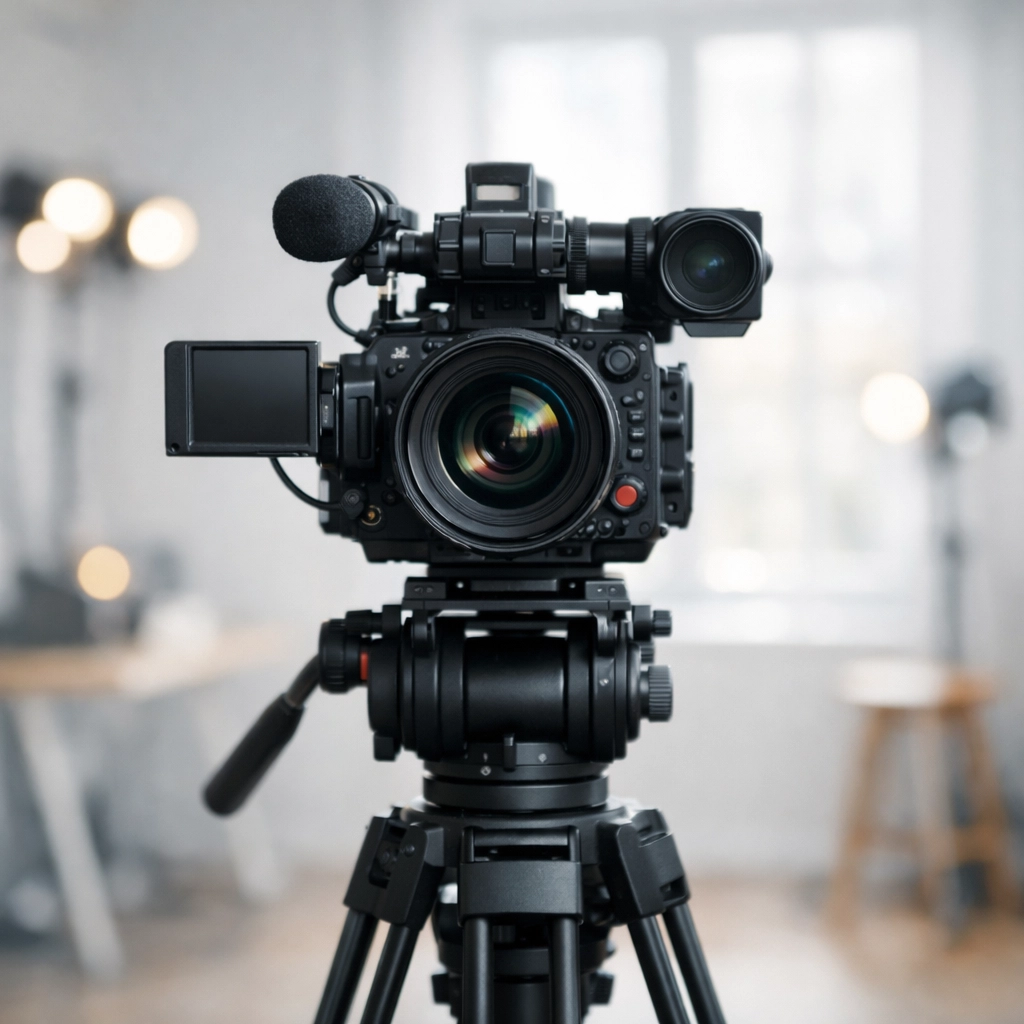
Video content appears more frequently in Google search results through video carousels and embedded clips. Tutorials, comparisons, and product explanations benefit most from this trend. Google prioritizes video for queries where a visual demonstration adds value.
Google Lens processes over 20 billion searches per month. Visual search is now critical for brands with product catalogs, physical services, or demonstrable outcomes. Users can search by uploading images or pointing their camera at objects.
Short-form video content ranks alongside traditional web pages. Optimizing video titles, descriptions, and transcripts improves discoverability. Video thumbnails and timestamps help users find specific information within longer content.

Voice Search Accuracy Improves
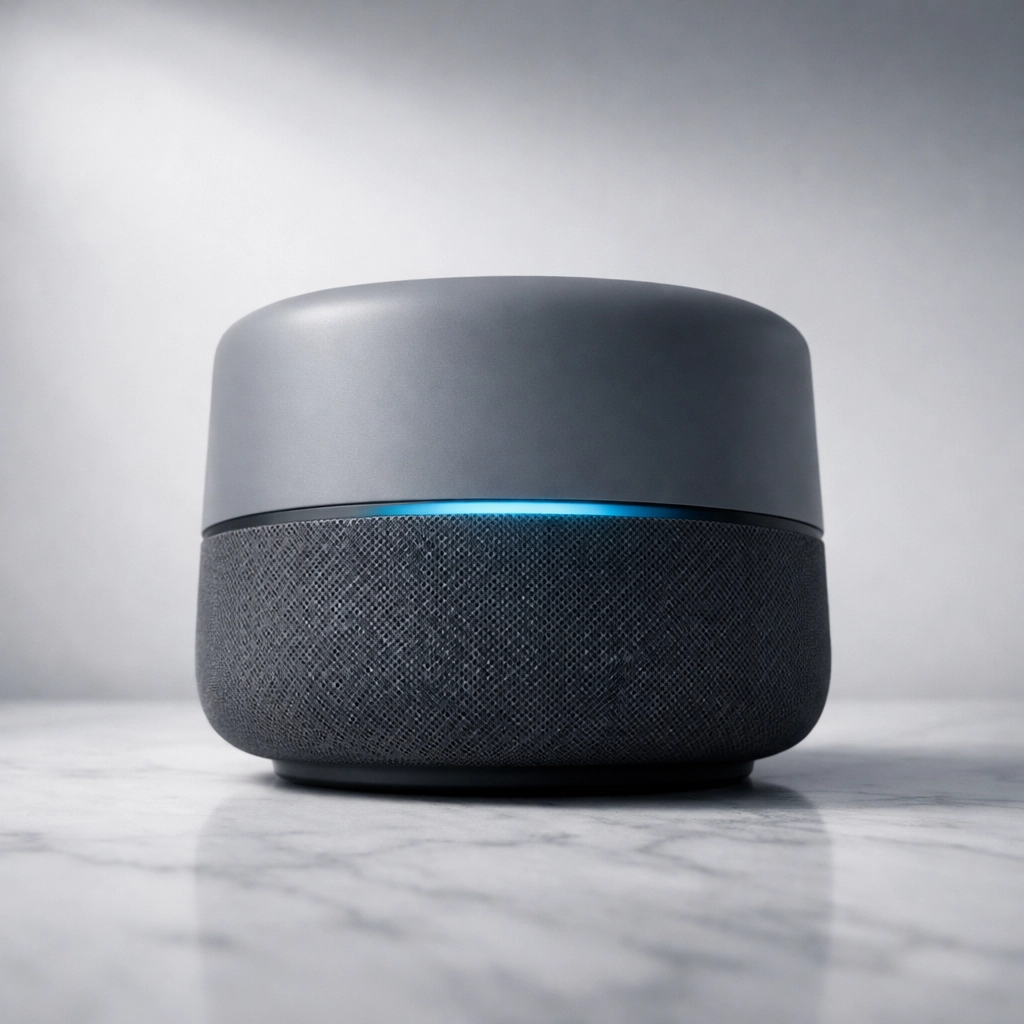
Voice search accuracy has increased significantly. Search engines favor content using natural language, conversational headers, and FAQ formats. This mirrors how people actually speak when using voice assistants.
Question-based content performs better in voice search results. Headers formatted as questions match voice query patterns. Content should answer specific questions directly and concisely.
Local searches conducted through voice often include phrases like “near me” or specific location names. Businesses must optimize for these conversational local queries. Voice search users typically want immediate, actionable information.
EEAT Becomes Primary Ranking Factor
Expertise, Experience, Authoritativeness, and Trustworthiness (EEAT) represent the most important ranking factor. Google rewards authentic, human-written content from writers with real-life experience. This marks a shift away from faceless corporate content and AI-generated articles.
Subject matter experts should create content in competitive spaces. Author credentials and background information build trust. Demonstrating real-world experience with a topic improves content performance.
Human content continues to outrank AI-generated content. Google’s algorithms detect patterns associated with AI writing. Original insights and personal perspectives signal authentic human authorship. Building author profiles with consistent bylines across multiple articles strengthens EEAT signals.
Branded Search Strategy Drives Rankings
A significant 2026 trend involves driving branded searches that include target keywords. Getting users to search “brand name + target keyword” signals to Google that your brand owns that topic. This branded search strategy improves rankings for competitive terms.
Building brand awareness through multiple channels supports this approach. Social media, email marketing, and traditional advertising drive branded searches. Users who already know your brand are more likely to include it in search queries.
Monitoring branded search volume provides insight into brand strength. Increases in branded searches correlate with improved rankings for related topics. This creates a positive feedback loop between brand awareness and search visibility.
Personalization Impacts Search Results
Search engines anticipate user needs based on search history, behavioral patterns, device context, and prior brand interactions. Personalization strategies can drive 20-30% increases in digital revenue. Results vary significantly between users based on their individual profiles.
Location data influences local search results. Previous interactions with specific websites affect a user’s future rankings. Device type and browsing context shape the results that appear.
Creating content for specific audience segments improves alignment with personalization. Understanding user intent at different stages of the buyer journey helps deliver relevant content. Personalized experiences increase engagement and conversion rates.
Google Maintains Market Dominance
Google controls approximately 90% of the search market share. Other search engines have not significantly disrupted this dominance. Optimization strategies should prioritize Google’s algorithm and features.
Google Search Console provides essential data for tracking performance. Regular monitoring of search analytics identifies trends and opportunities. Core Web Vitals and page experience metrics remain important ranking factors.
Mobile-first indexing means Google primarily uses the mobile version of content for ranking. Responsive design and mobile optimization are not optional. Page speed and mobile usability directly impact search performance.
Adapting Content Strategy for 2026
Businesses must adapt to these trends to maintain search visibility. Creating high-quality content from subject matter experts builds EEAT signals. Optimizing for AI Overviews and zero-click results increases brand exposure.
Incorporating video content into marketing strategies captures visual search traffic. Formatting content for voice search improves discoverability through voice assistants. Building branded search volume strengthens overall SEO performance.
Regular content audits identify opportunities for improvement. Updating existing content maintains relevance and accuracy. Monitoring algorithm updates and adjusting strategies ensures continued performance.

Key Takeaways: Adapting to Google Search Trends in 2026
The 2026 search landscape prioritizes AI-powered features, visual content, and authentic expertise. Zero-click results change how users consume information. Businesses that adapt to these trends maintain a competitive advantage in search results.
For more insights on digital marketing strategies, visit our resources page or explore our blog for additional articles.