
Reviews drive business decisions. Customers want to encourage more feedback. Incentive programs can increase review volume when executed correctly. Platform policies and regulations create boundaries that businesses must follow.
Want more reviews without getting banned? Learn the ethical ways to incentivize customer feedback while staying compliant with Google and Yelp review policies.
Understanding Review Incentives
Review incentives reward customers for submitting feedback. These programs differ from traditional marketing tactics. The goal is participation, not manipulation. Customers receive rewards for sharing their experience, regardless of rating.
Regulatory bodies monitor these programs. The Federal Trade Commission requires disclosure. Third-party platforms enforce specific rules. Violations result in penalties, removed reviews, or account suspension.
The Do’s of Review Incentives
Reward the Action, Not the Opinion
Offer rewards for review submission. Do not tie incentives to positive ratings. Customers should receive the same benefit for one-star or five-star reviews. This approach maintains authenticity and complies with regulations.
Structure programs around participation. Points, discounts, or entries should activate after review submission. The content of the review does not affect reward eligibility.
Maintain Full Transparency
Disclosure builds trust. Label incentivized reviews clearly. Use consistent language about reward terms and delivery timelines. Customers need to understand what they receive and when.
Include disclosure statements in review requests. Notify customers that rewards are not conditional on positive feedback. This transparency protects your business and respects customer intelligence.
Use Controlled Channels
Request incentivized reviews on owned platforms. Your website, email sequences, and branded apps give you control over terms and moderation. These channels allow proper disclosure and policy enforcement.
On-site review widgets work well for incentive programs. Post-purchase email automation can trigger reward offers. Loyalty apps integrate review requests with existing customer engagement systems.

Select Appropriate Rewards
Choose modest, meaningful incentives. Loyalty points encourage repeat purchases. Small discount codes provide immediate value. Sweepstakes entries create excitement without excessive cost.
Free product samples work for specific industries. Featured reviewer badges offer recognition. The reward should align with your customer retention strategy without appearing manipulative.
Integrate with Loyalty Programs
Link review incentives to broader retention efforts. Combine with referral programs and community engagement initiatives. This creates a sustainable cycle that turns reviewers into repeat customers.
Loyalty program members can earn points for reviews. These points apply to future purchases. The integration strengthens customer relationships beyond single transactions.
Request Visual Content
Ask for photos or videos with reviews. Visual content increases authenticity. Images and videos are harder to fabricate than text alone. This content also generates higher engagement from other customers.
Visual reviews provide social proof. They show real customers using your products or services. This user-generated content serves multiple marketing purposes while maintaining the authenticity of reviews.
Automate Reward Distribution
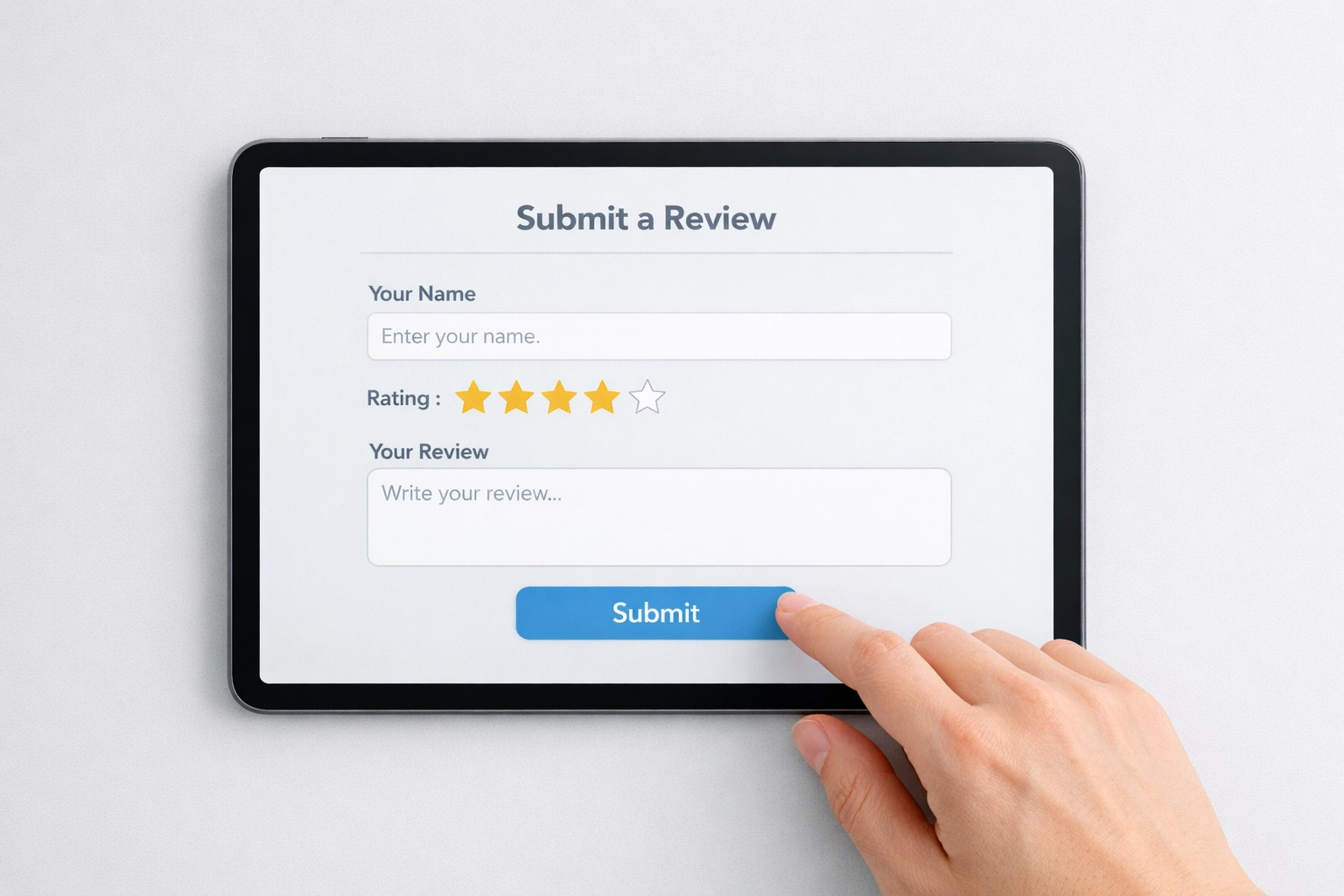
Use systems that automatically issue rewards after a verified submission. Manual processing creates delays and errors. Automation ensures consistent, timely delivery that meets customer expectations.
Set up triggers in your review platform or CRM. Once a customer submits a verified review, the system sends the promised reward. This reduces administrative burden and improves customer satisfaction.
The Don’ts of Review Incentives
Never Condition Rewards on Positive Ratings
Do not offer incentives that depend on favorable reviews. Explicit or implied conditioning violates ethical standards. This practice compromises authenticity and creates legal liability.
Avoid language that suggests higher ratings receive better rewards. Do not offer tiered incentives based on star ratings. Every review should qualify for the same benefit.
Avoid Prohibited Platforms
Do not incentivize reviews on platforms that forbid the practice. Amazon, Google, Yelp, and Trustpilot explicitly prohibit paid or incentivized feedback. Violations result in review removal and potential penalties on the account.
Read platform policies before launching incentive programs. Each platform maintains specific guidelines. What works on your website may violate rules on third-party review sites.

Do Not Suppress Negative Feedback
Request reviews from all customers. Do not selectively ask only satisfied customers for feedback. Suppressing critical reviews damages trust and violates compliance standards.
Send review requests to your entire customer base. Some will leave negative reviews. This honest feedback improves your business and maintains credibility with potential customers.
Avoid Excessive Rewards
Large incentives attract low-quality submissions. They appear manipulative to customers and regulators. The reward should acknowledge participation without overshadowing the value of honest feedback.
Balance reward value with review authenticity. A $5 discount code is appropriate. A $50 gift card raises questions about motivation. Keep incentives modest and proportional.
Do Not Skip Moderation
Monitor submissions for suspicious patterns. Fake reviews and low-effort submissions undermine program effectiveness. Establish moderation procedures before launching your incentive program.
Review submissions for quality and authenticity. Flag suspicious patterns, such as duplicate content or coordinated timing. Remove fraudulent submissions and adjust program rules as needed.
Respect Communication Preferences
Limit review request frequency. Honor customer communication preferences. Excessive requests create frustration and increase opt-out rates.
Track how often you contact each customer. Set reasonable limits on review requests per time period. Provide easy opt-out options in all communications.
Compliance and Platform Guidelines
The FTC requires clear disclosure of material connections. Any compensation or incentive constitutes a material connection. Businesses must ensure customers understand they received something of value.
Platform-specific policies vary significantly. Google prohibits review gating and incentives. Amazon forbids compensation for reviews except through specific programs. Trustpilot allows incentives with proper disclosure on owned channels.
Research applicable regulations in your industry and location. Some sectors face additional restrictions on review solicitation. Consult legal counsel when implementing incentive programs.
Building a Compliant Program
Start with owned channels and modest rewards. Implement clear disclosure procedures. Automate reward distribution to ensure consistency. Monitor submissions for quality and authenticity.
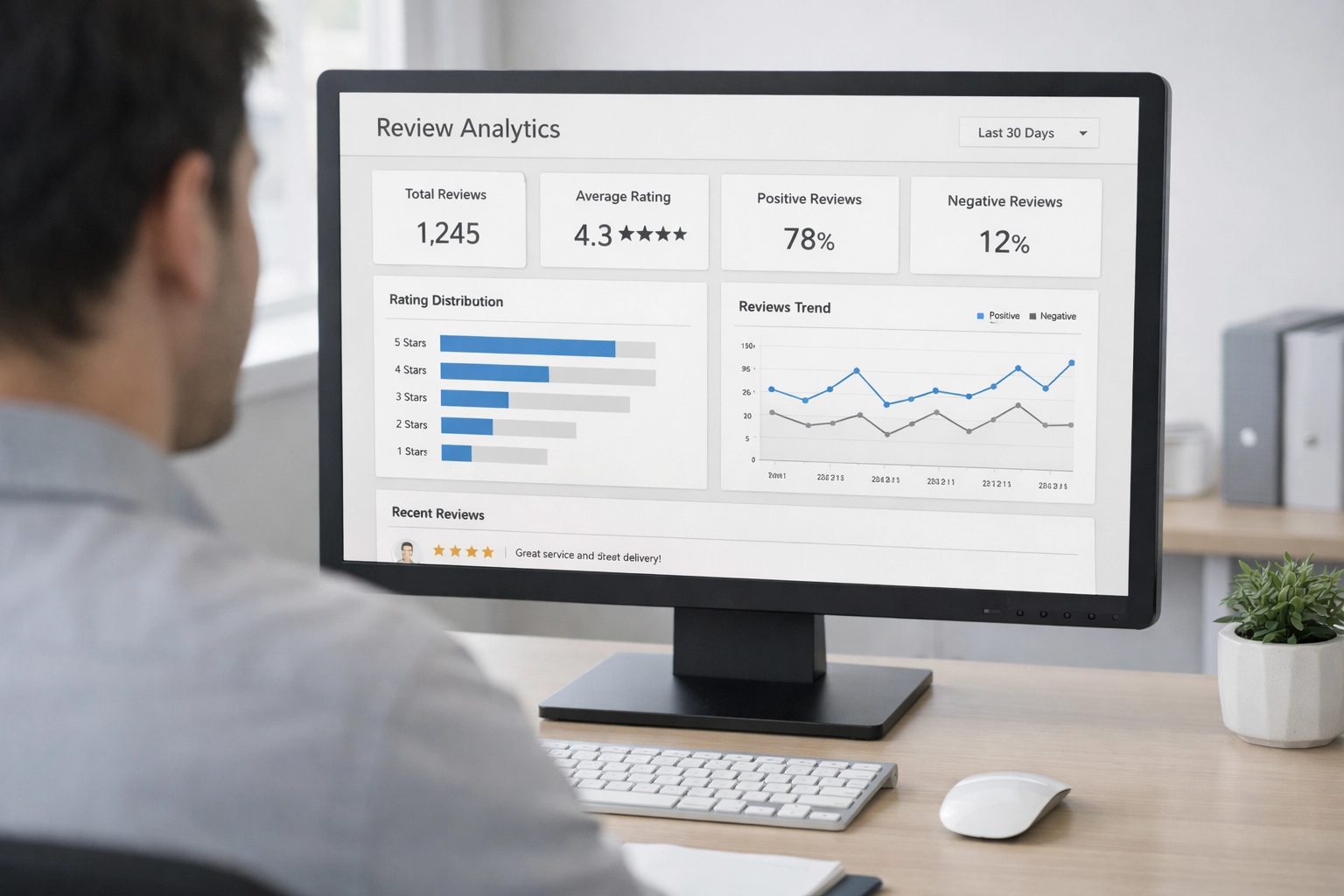
Test your program with a small customer segment. Measure review volume, quality, and customer response. Adjust reward types and communication frequency based on results.
Integrate review requests into your customer journey. Post-purchase timing works well for product reviews. Post-service timing suits service businesses. Match request timing to when customers can provide informed feedback.
Document your policies and procedures. Train staff on compliance requirements. Regularly audit your program for policy adherence and effectiveness.
Moving Forward
Review incentive programs require careful planning and execution. Follow platform policies and regulatory requirements. Prioritize authenticity over volume. Reward participation without manipulating sentiment.
The right approach generates more reviews while maintaining trust. Customers appreciate recognition for their feedback. Businesses benefit from increased review volume and valuable insights. Compliance protects your reputation and prevents penalties.
Start with a simple program on owned channels. Expand gradually as you refine your approach. Monitor results and adjust based on customer response and platform policy changes.