
Your website receives traffic. The question is whether that traffic converts into leads. Small design changes can significantly impact conversion rates. This guide covers actionable improvements.
Clarify Your Value Proposition
Your homepage should explain what you offer within seconds. Visitors need to understand your service immediately. Place your value proposition above the fold. Use clear language. Avoid industry jargon.
Test your value proposition by showing your homepage to someone unfamiliar with your business. They should understand your offering in five seconds or less. If they cannot, revise the messaging.
Your value proposition should appear on key pages. Include it on landing pages, product pages, and service pages. Consistency builds recognition.

Optimize Call-to-Action Buttons
Generic CTAs like "Submit" or "Click Here" perform poorly. Use specific action words. Replace generic text with clear benefits. "Get Your Free Audit" outperforms "Submit Form" in testing.
Button placement matters. Position primary CTAs above the fold. Add secondary CTAs throughout longer pages. Use contrasting colors that stand out from your design.
Test different CTA formats. Some audiences respond to buttons. Others prefer text links. A/B testing reveals preferences for your specific visitors.
Reduce Form Friction
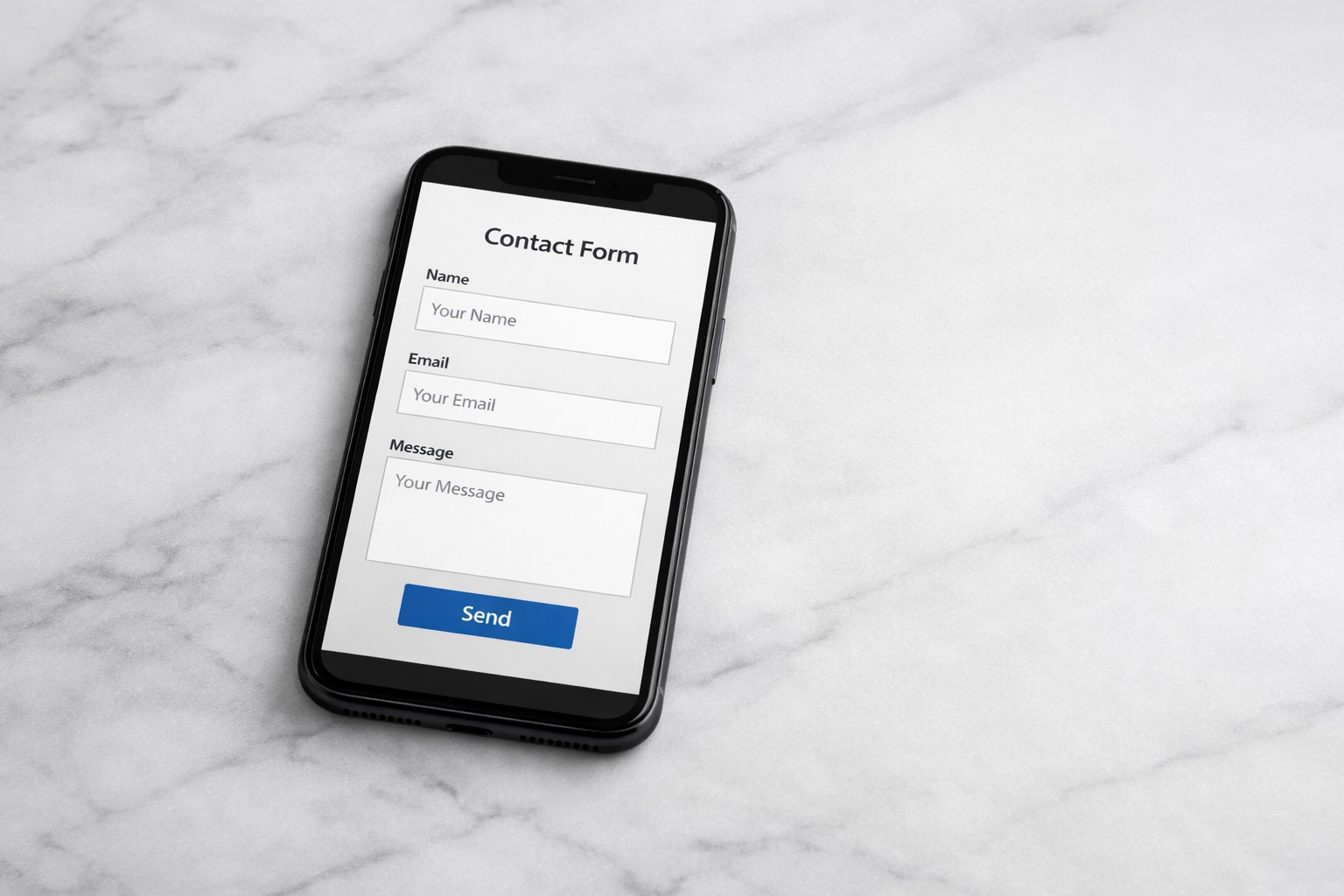
Long forms decrease conversion rates. Request only essential information. Start with email address collection. Add fields progressively as needed.
Enable autofill functionality. Users complete forms faster when browsers auto-populate fields. This simple feature reduces abandonment.
Multi-step forms work well for complex offerings. Break lengthy forms into sections. Display progress indicators. Users commit after starting the process.
Add Trust Signals
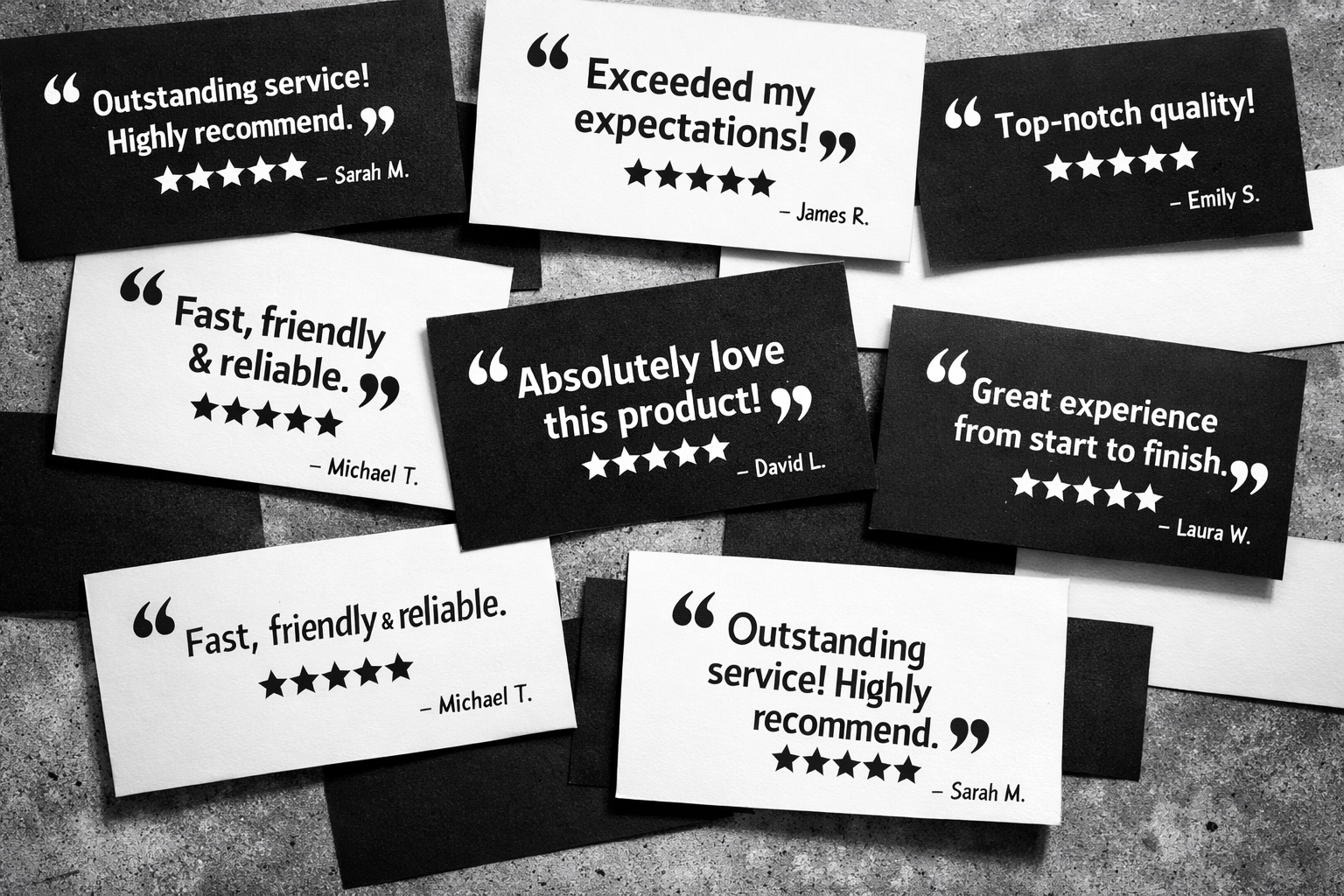
Display customer testimonials prominently. Include specific results when possible. "Increased leads by 40%" carries more weight than "Great service."
Show industry certifications and badges. Security seals reduce hesitation during checkout. Display logos of recognizable clients you have served.
Case studies provide detailed proof. Link to full case studies from product pages. Include metrics and outcomes. Quantified results build credibility.

Use Trust Signals to Boost Credibility and Conversion Rates
Live chat provides immediate assistance. Install chat widgets on high-value pages. Focus on pricing pages, product pages, and checkout flows.
Chatbots handle common questions efficiently. Program responses for frequently asked questions. Route complex inquiries to human representatives.
Display response time expectations. "Average response: 2 minutes" sets clear expectations. Fast response times increase conversion likelihood.
Optimize for Mobile Users
Mobile traffic represents the majority of web visitors. Your site must function on small screens. Use responsive design that adapts to device size.
Make buttons large enough for touch interaction. Small buttons frustrate mobile users. Aim for minimum 44×44 pixel touch targets.
Simplify mobile navigation. Hamburger menus work well for mobile layouts. Reduce steps required to complete actions. Mobile users abandon complicated processes quickly.
Improve Page Load Speed
Slow pages kill conversions. Users abandon sites that take longer than three seconds to load. Compress images before uploading. Use modern formats like WebP.
Minimize CSS and JavaScript files. Remove unused code. Enable browser caching to speed up repeat visits.
Test your site speed regularly. Use tools like Google PageSpeed Insights. Address identified issues systematically. Speed improvements benefit both conversions and SEO rankings.
Optimize High-Impact Pages
Focus optimization efforts on pages that drive conversions. Homepage, pricing pages, and landing pages deserve priority attention.
Landing pages convert at an average rate of 23%. This exceeds other page types significantly. Build dedicated landing pages for campaigns. Match landing page content to ad messaging.
Pricing pages require specific elements. Display pricing clearly. Include feature comparisons between tiers. Add a phone number for custom quotes. Offer annual and monthly pricing options.
Use Exit Intent Technology
Exit intent popups appear when users attempt to leave. These can recover 5-10% of abandoning visitors. Offer valuable incentives to stay.
Provide lead magnets like free guides or checklists. Offer first-time purchase discounts. Capture email addresses for future marketing.
Avoid aggressive popups. Display exit intent once per session. Too many popups damage user experience.
Analyze User Behavior
Install heatmap tools to understand visitor actions. See where users click, scroll, and pause. This data reveals content effectiveness.
Session recordings show individual user journeys. Watch how people navigate your site. Identify points of confusion or frustration.
Use insights to make targeted improvements. Move important content higher on pages. Simplify navigation based on actual usage patterns. Remove elements that receive no engagement.
Personalize Content Display
Show different content to different visitor segments. New visitors need different information than returning customers. Mobile users may require different layouts than desktop users.
Product recommendations based on browsing history increase relevance. Display recently viewed items. Suggest related products or services.
Personalization does not require complex systems. Start with basic segmentation. Show different homepage content for first-time visitors versus returning visitors.
Test Systematically
A/B testing removes guesswork from optimization. Test one element at a time. Compare headlines, images, CTAs, and layouts.
Run tests until reaching statistical significance. Premature conclusions waste effort. Let real data guide decisions rather than assumptions.
Document test results. Build a knowledge base of what works for your audience. Apply successful patterns to new pages and campaigns.

Implement Email Capture Strategies
Newsletter signups generate leads for long-term nurturing. Place signup forms in multiple locations. Add them to your header, sidebar, and footer.
Offer incentives for email subscription. Free resources work well. Provide industry reports, templates, or exclusive content.
Keep signup forms simple. Request only email address initially. Add preference options after initial subscription.
Conclusion
Website conversion optimization requires systematic improvements. Start with high-impact changes like clarifying your value proposition and strengthening CTAs. Add trust signals and reduce form friction. Implement tools like live chat and exit intent popups.
Focus on mobile optimization and page speed. These technical factors impact user experience significantly. Use behavior analytics to identify specific problems on your site.
Test changes systematically. Let data guide optimization decisions. Small improvements compound over time. A 1% increase in conversion rate generates substantial lead growth over months.
Review conversion rates monthly. Track which pages perform best. Apply successful patterns across your site. Continuous improvement produces sustained results.
Visit our resources page for additional conversion optimization tools and guides.
Category: Website Conversions & Lead Growth
Excerpt: Is your website losing customers? Learn simple conversion rate optimization tips that turn casual website visitors into high-quality leads for your business.