
Why Search Rankings Matter for Your Orthodontic Practice
Most families start their search for an orthodontist online. They type phrases like "orthodontist near me" or "best braces for kids" into Google. Your practice needs to appear in those search results.
Search engine optimization determines whether your practice shows up when parents search for orthodontic care. Higher rankings lead to more website visits. More visits lead to more consultation bookings.
The orthodontic industry is competitive. Multiple practices compete for the same patients in your area. SEO helps your practice stand out in local search results.
Local SEO Basics for Orthodontists
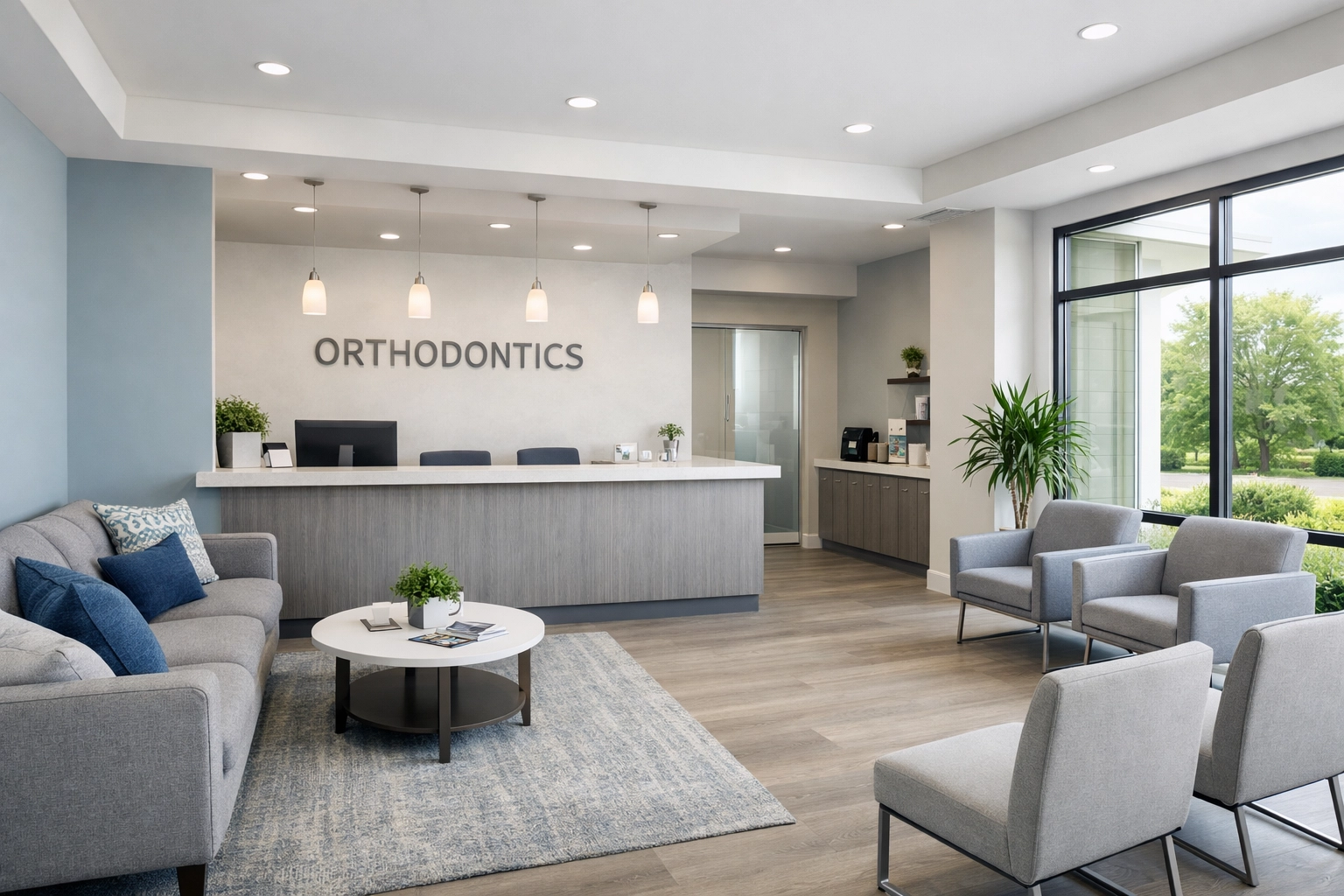
Local search optimization focuses on geographic-specific queries. Patients search for orthodontists within a specific distance from their home or work.
Your practice needs consistent location information across all online platforms. This includes your website, Google Business Profile, and directory listings. The same name, address, and phone number should appear everywhere.
Create location-specific content on your website. Include your city and neighborhood names in page titles and headings. Add local landmarks or school districts to your content. This helps search engines understand your service area.
Google prioritizes practices that demonstrate local relevance. Practices with optimized local presence rank higher in map results and local search queries.
Google Business Profile Optimization
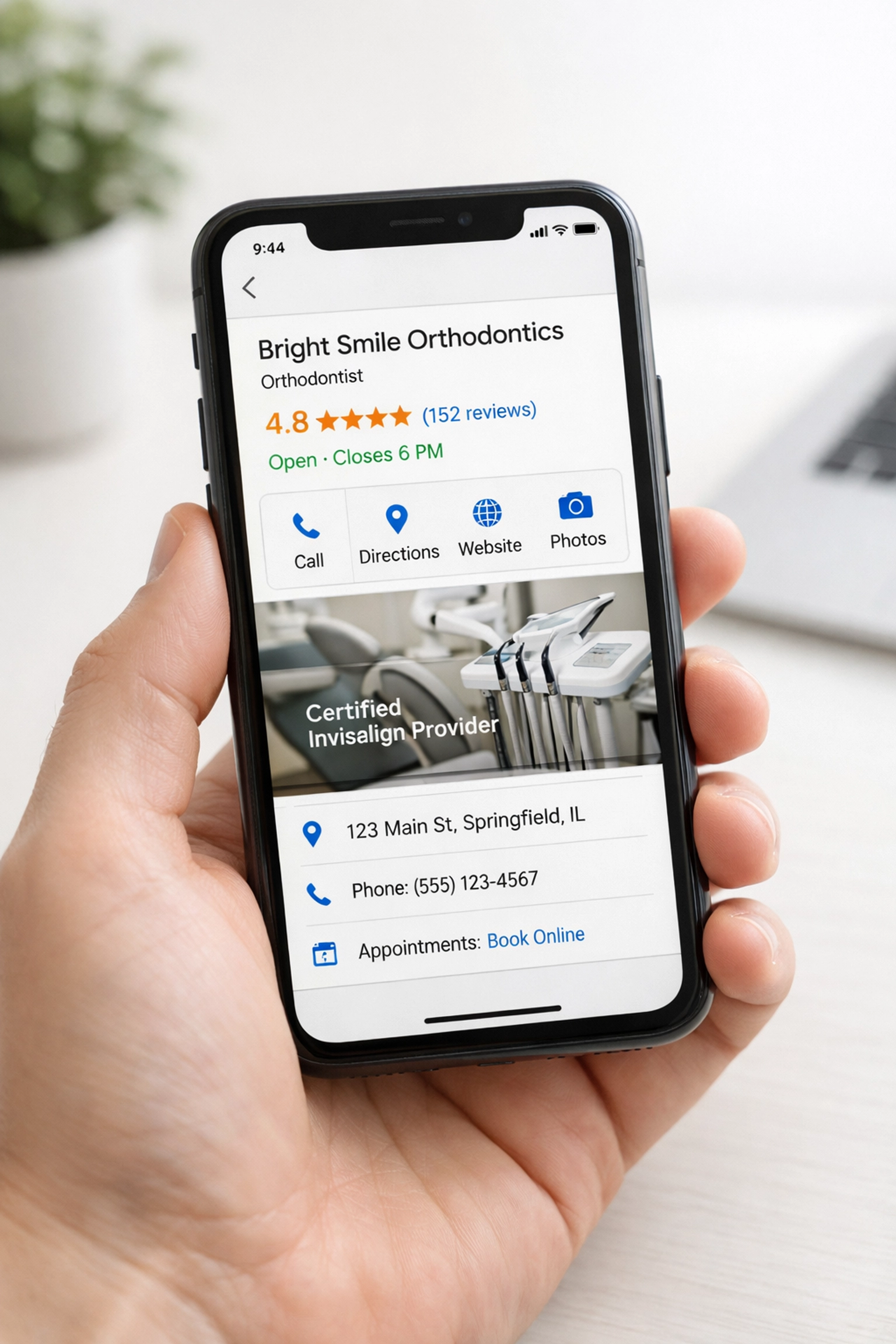
Your Google Business Profile is the most important local SEO tool. This profile appears in Google Maps and local search results. It displays your hours, services, and patient reviews.
Complete every section of your profile. Add accurate hours, service listings, and contact information. Upload photos of your office exterior, interior, and team members. Include images of your treatment rooms and waiting area.
Select appropriate business categories. Choose "Orthodontist" as your primary category. Add secondary categories like "Dental Clinic" if applicable. This helps Google understand your services.
Post regular updates to your profile. Share office news, treatment information, or special offers. Posts appear in your profile and can improve visibility. Update your profile at least once per month.
Reputation Management Strategies
Patient reviews influence search rankings. Google considers review quantity, quality, and recency when determining local rankings. Practices with more positive reviews rank higher.
Request reviews from satisfied patients. Send follow-up emails after treatment completion. Include direct links to your Google Business Profile. Make the review process simple.
Respond to all reviews promptly. Thank patients for positive feedback. Address concerns in negative reviews professionally. Your responses demonstrate customer service quality to potential patients.
Monitor review platforms regularly. Check Google, Facebook, and healthcare-specific review sites. Track your average rating and total review count. Compare your metrics to competing practices in your area.
Reviews also build trust with potential patients. Families read reviews before booking consultations. Practices with higher ratings and more reviews receive more appointment requests.
Service Page Optimization
Create dedicated pages for each treatment type. Separate pages for traditional braces, clear aligners, ceramic braces, and other services perform better than generic service pages.
Each page should target specific keywords. Use phrases like "clear braces for adults" or "pediatric orthodontic treatment." Include these keywords in page titles, headings, and content naturally.
Add patient testimonials to service pages. Include reviews specific to each treatment type. Testimonials build credibility and improve conversion rates.
Include frequently asked questions on service pages. Answer common questions about treatment duration, cost, and process. Question-based content matches how patients search for information.

Content Strategy for Patient Education
Educational content attracts potential patients to your website. Blog posts and articles answer common orthodontic questions. This content ranks for informational searches.
Write articles about treatment options, orthodontic problems, and patient experiences. Topics like "signs your child needs an orthodontist" or "adult braces vs clear aligners" address common patient concerns.
Organize content into topic clusters. Create a main page about a broad topic, then link to detailed articles about specific aspects. This structure helps search engines understand content relationships.
Use simple language in all content. Avoid excessive dental terminology. Write for patients without orthodontic knowledge. Clear, accessible content performs better in search results.
Mobile Optimization Requirements
Most orthodontic searches occur on mobile devices. Parents research options while commuting or during free time. Your website must function properly on phones and tablets.
Test your website on multiple devices. Check loading speed, navigation, and form functionality. Ensure buttons are large enough for touch screens. Verify that phone numbers are clickable.
Google prioritizes mobile-friendly websites in search rankings. Sites that provide poor mobile experiences rank lower. Mobile optimization directly impacts visibility.
Page speed matters significantly on mobile devices. Compress images to reduce file sizes. Minimize code and scripts. Faster loading times improve both user experience and search rankings.

Technical SEO Considerations
Add schema markup to your website. This structured data helps search engines understand your content. Include markup for services, locations, hours, and reviews.
Schema markup can result in enhanced search listings. Your practice information may appear in featured snippets or knowledge panels. These enhanced listings attract more clicks.
Create a clear site structure with logical navigation. Link related pages together. Connect blog posts to relevant service pages. Internal linking helps search engines discover and understand your content.
Ensure your website has an SSL certificate. Secure websites display "https" in the URL. Google favors secure sites in rankings. Patients also trust secure websites more.
Submit an XML sitemap to Google Search Console. This file lists all pages on your website. It helps search engines index your content efficiently.
Keyword Targeting Strategy
Focus on long-tail keywords specific to your services and location. Phrases like "invisalign provider in [city]" or "pediatric orthodontist accepting new patients" attract motivated patients.
Long-tail keywords have less competition than broad terms. They also attract patients further along in their decision process. These searches convert to appointments more frequently.
Research keywords using Google's search suggestions. Type partial phrases and observe autocomplete suggestions. These reflect actual patient search behavior.
Include keywords naturally throughout your content. Add them to page titles, headings, and body text. Avoid keyword stuffing or unnatural repetition. Content should read naturally while including target phrases.

Social Media Integration
Social media activity supports SEO efforts. Regular posting on platforms like Facebook and Instagram increases online visibility. Social signals contribute to search rankings indirectly.
Share before-and-after photos of completed treatments. Post educational content about orthodontic care. Highlight team members and office events. Consistent posting keeps your practice visible to current and potential patients.
Maintain consistent branding across all platforms. Use the same profile information, logo, and contact details everywhere. Consistency reinforces your practice identity and supports local SEO.
How Business Boosted Can Help
Business Boosted provides comprehensive solutions for orthodontic practices. Our services include local SEO optimization, Google Business Profile management, and reputation management systems.
We handle technical optimization, content creation, and review generation. Our team understands orthodontic practice marketing requirements. We develop strategies specific to your local market and competition.
Our approach focuses on attracting families actively searching for orthodontic care. We optimize your online presence to appear in relevant local searches. This increases consultation bookings and practice growth.
Visit businessboosted.com to learn more about our services for orthodontic practices.
Measuring SEO Success
Track key metrics to evaluate SEO performance. Monitor your Google Business Profile views and actions. Check how many people click for directions or call your practice.
Use Google Analytics to review website traffic. Identify which pages receive the most visits. Track where traffic comes from and how visitors interact with your site.
Monitor keyword rankings for important search terms. Check your position for location-based and service-specific queries. Rankings should improve gradually over time.
Track consultation booking rates. SEO success ultimately means more appointments. Compare booking numbers before and after implementing optimization strategies.
Conclusion
SEO helps orthodontic practices attract new patients through increased online visibility. Local optimization, reputation management, and targeted content combine to improve search rankings.
Consistent effort produces results over time. SEO is not an immediate solution but a long-term strategy. Practices that invest in optimization see sustained growth in patient inquiries and bookings.
Category: Industry-Specific Marketing
Excerpt: Local SEO and reputation management help orthodontic practices attract more families searching for braces and clear aligners in their area.