Most physical therapy clinics rely on physician referrals and word-of-mouth. This limits growth. Patients search online for physical therapy services before booking appointments. Your clinic needs to appear in those searches.
SEO drives direct patient referrals without relying on external sources. This guide covers the specific strategies physical therapy clinics need to rank higher and attract more patients.
Why Physical Therapy Clinics Need SEO
Patients search Google when they experience pain or need rehabilitation services. Common searches include "physical therapy near me" and "best PT for knee pain." Your clinic should appear in these results.

Traditional marketing methods cost more and produce fewer results. SEO generates consistent patient inquiries without ongoing advertising costs. Each optimized page continues attracting patients months after publication.
Physical therapy is a competitive field in most markets. SEO helps smaller clinics compete with larger healthcare systems. Proper optimization levels the playing field.
Local Search Optimization
Local search drives most physical therapy appointments. Patients search for clinics within a specific radius of their location. Google prioritizes businesses near the searcher.
Start with location-based keywords. Include your city and neighborhood names throughout your website. Use phrases like "physical therapy in [city name]" and "[neighborhood] PT clinic" in page titles and content.
Create separate pages for each location if you operate multiple clinics. Each page needs unique content about that specific location and the community it serves.
Add location information to image file names and alt text. This signals to Google where your clinic operates. Use descriptive names like "downtown-seattle-pt-clinic-exterior.jpg" instead of generic image labels.
Google Business Profile Optimization
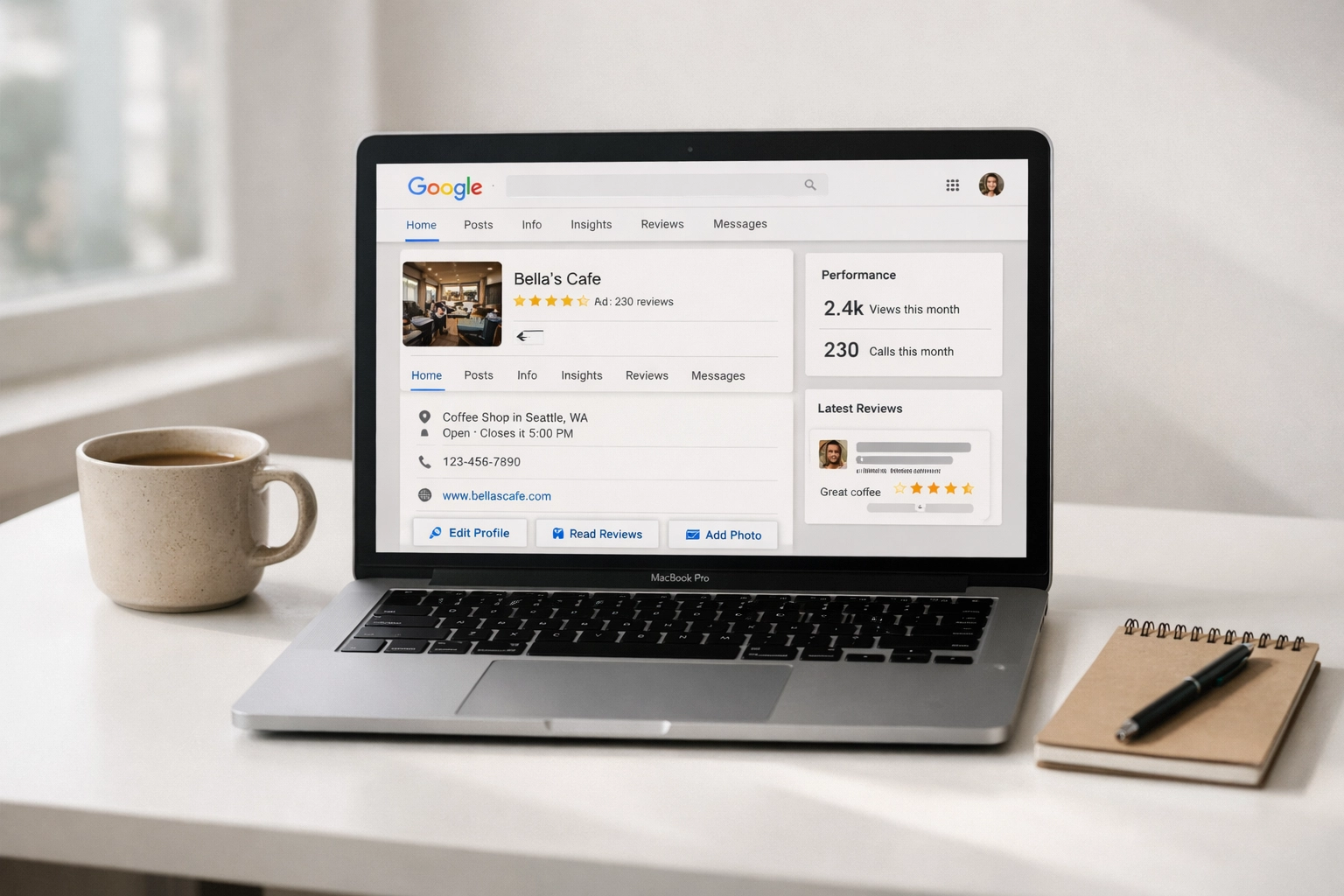
Your Google Business Profile is the most important local SEO asset. It controls your appearance in Google Maps and local search results.

Claim your profile and verify all information. Include accurate hours, phone number, website, and address. Update this information immediately when anything changes.
Select the correct business category. Choose "Physical Therapist" or "Physical Therapy Clinic" as your primary category. Add secondary categories for specializations like "Sports Medicine Clinic" if applicable.
Add high-quality photos of your facility, staff, and treatment areas. Profiles with photos receive more engagement than those without. Update photos regularly to show your clinic is active.
Post updates weekly on your profile. Share health tips, new services, patient success stories, and clinic news. These posts appear in search results and keep your profile active.
List all services your clinic provides. Be specific. Instead of just "Physical Therapy," list "Sports Injury Rehabilitation," "Post-Surgical Recovery," "Chronic Pain Management," and other specializations.
Website Technical Requirements
Your website must load quickly. Patients leave slow websites. Compress images and enable caching to improve load times.
Ensure mobile compatibility. Most patients search on phones. Your website must display correctly on all screen sizes. Test it on multiple devices.
Use clear URL structures. Each page URL should describe its content. Use "yoursite.com/knee-pain-treatment" instead of "yoursite.com/page123."
Include contact information on every page. Make phone numbers clickable on mobile devices. Add an appointment scheduling button in a prominent location.
Create separate pages for each service you offer. A dedicated page for "ACL Rehabilitation" performs better than listing all services on one page. Each page should target specific keywords.
Keyword Strategy
Start with keyword research. Identify terms patients use when searching for physical therapy services. Tools like Google Keyword Planner show search volumes for specific terms.
Focus on long-tail keywords. These are specific phrases like "physical therapy for lower back pain in Portland" rather than just "physical therapy." Long-tail keywords have less competition and higher conversion rates.
Target pain-specific keywords. Patients search for solutions to specific problems. Create content around "sciatica treatment," "rotator cuff rehabilitation," and "post-stroke physical therapy."
Include treatment method keywords. Some patients search for specific techniques like "manual therapy," "dry needling," or "aquatic therapy." Create pages for each treatment method you offer.
Use keywords naturally in content. Avoid keyword stuffing. Search engines penalize websites that overuse keywords. Write for patients first and search engines second.
Content Creation
Create content that answers patient questions. Write articles about common conditions you treat. Topics like "What to Expect During Your First PT Visit" and "5 Exercises for Shoulder Pain" attract patients searching for information.
Publish content consistently. A blog with regular updates signals to Google that your website is active and relevant. Aim for at least two articles per month.
Use multiple content formats. Written articles, videos, and infographics reach different audiences. Some patients prefer watching demonstrations rather than reading instructions.
Address patient concerns directly. Write about insurance coverage, treatment timelines, and what makes your clinic different. Transparency builds trust before patients contact you.
Keep content focused and practical. Patients want actionable information they can use immediately. Break down complex topics into simple steps.
Reviews and Reputation Management
Online reviews influence patient decisions. Most patients read reviews before choosing a physical therapy clinic. More positive reviews improve your search rankings.

Request reviews from satisfied patients. Send follow-up emails after treatment completion asking for feedback. Make the review process simple with direct links to your Google Business Profile.
Respond to all reviews. Thank patients for positive feedback. Address negative reviews professionally and offer to resolve issues offline. Your responses show potential patients how you handle concerns.
Display reviews on your website. Testimonials build credibility. Include patient names and photos when possible with proper consent.
Monitor your online reputation regularly. Set up alerts for new reviews. Respond quickly to maintain engagement.
NAP Consistency
NAP stands for Name, Address, and Phone Number. This information must match exactly across all online platforms.
List your clinic on relevant directories. Include healthcare-specific directories like Healthgrades and Zocdoc. Also list on general directories like Yelp and Yellow Pages.
Use the exact same format everywhere. If your address includes "Suite 100" on your website, use "Suite 100" on all directories. Do not abbreviate in some places and spell out in others.
Inconsistent NAP information confuses search engines. This hurts your rankings. Audit all your listings quarterly to maintain consistency.
Tracking Results
Monitor your search rankings for target keywords. Track positions for your most important terms monthly. Use tools like Google Search Console to see which keywords drive traffic.
Measure website traffic from organic search. Set up Google Analytics to track visitors. Monitor how many visitors convert into appointment requests.

Track phone calls from your website. Call tracking numbers show which marketing efforts generate calls. This data helps you focus on what works.
Review Google Business Profile insights. See how many people view your profile, request directions, and visit your website. This data shows your local search performance.
Getting Started with Physical Therapy SEO
SEO requires consistent effort over time. Results typically appear within 3-6 months. Early optimization work compounds as your content library grows.
Start with Google Business Profile optimization. This provides the fastest results. Many physical therapy clinics see increased inquiries within weeks of optimizing their profile.
Focus on local keywords first. Competition is lower for location-specific terms. You can rank for "[city name] physical therapy" faster than national keywords.
Business Boosted provides SEO services specifically for local businesses like physical therapy clinics. Services include Google Business Profile optimization, local search strategy, and review management systems. Visit businessboosted.com to learn how we help PT clinics increase patient referrals through improved search visibility.
Build your content library consistently. One quality article per week creates 52 pieces of content annually. This gives search engines more reasons to rank your website.
Patient acquisition costs decrease as your SEO improves. You spend less on advertising when patients find you organically. This frees budget for other business priorities.
Category: Local SEO & Map Pack Rankings
Excerpt: Learn how physical therapists can attract more patients through local search optimization, Google Business Profile setup, and reputation management strategies.