
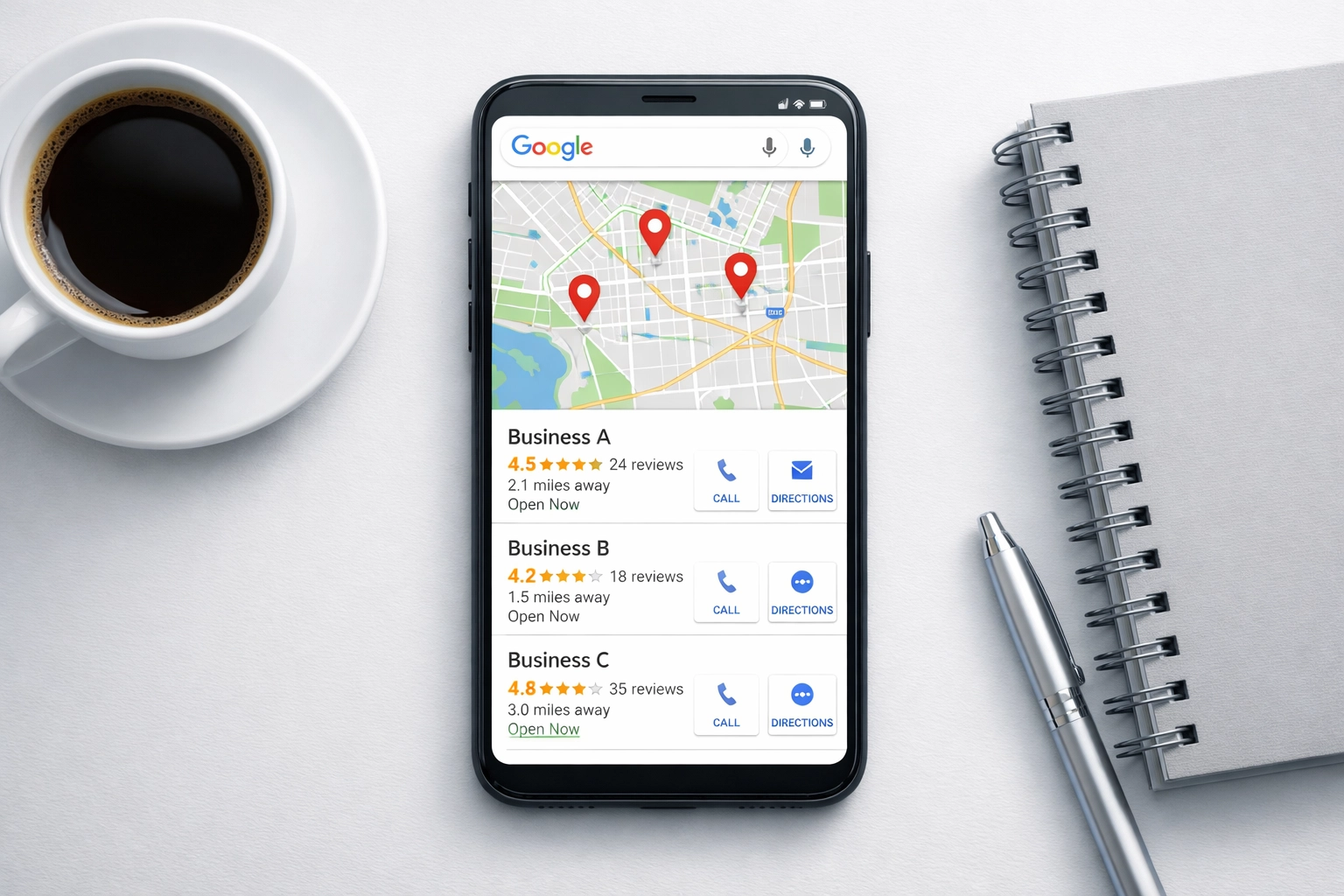
Look, we need to talk about that little box of three businesses that shows up when someone searches "pizza near me" or "dentist in Brooklyn." You know the one: the Google Map Pack. Those three to four magical listings that grab nearly half of all clicks for local searches.
If your business isn't in that pack, you're basically invisible. And if you are? You're printing money.
The Map Pack is prime real estate. It sits above the organic results, complete with maps, reviews, and phone numbers. It's the digital equivalent of having a storefront on Main Street instead of three blocks over behind the dry cleaner.
So how do you get there? Let's break it down.
The Three Pillars Google Actually Cares About
Google ranks Map Pack results based on three factors: relevance, distance, and prominence. Think of these as the holy trinity of local SEO.
Relevance is about matching what the searcher wants. If someone searches for "vegan bakery," Google wants to show vegan bakeries, not steakhouses that happen to have bread.
Distance is self-explanatory. Google prioritizes businesses close to the searcher. You can't game geography, but you can optimize for specific neighborhoods.
Prominence is where things get interesting. This is Google's way of measuring how well-known and trustworthy your business is. Reviews, citations, links, and even offline recognition all factor in.
Master these three, and you're 80% of the way there.
Your Google Business Profile Is Everything
Your Google Business Profile is the foundation of Map Pack success. If this isn't dialed in, nothing else matters.
Fill out every single field. Business description, hours, categories, attributes, services: all of it. Businesses with complete profiles are 2.7 times more likely to be considered reputable by both Google and potential customers.
Choose your primary category carefully. This tells Google what you actually do. A restaurant listed as "Business Consultant" isn't getting into the Map Pack for lunch searches.
Add photos regularly. Businesses with photos get 42% more direction requests and 35% more click-throughs to their websites. Show your space, your products, your team. Make it real.
Post updates weekly. Google Business Profile posts keep your listing fresh and signal that you're an active business. Share promotions, events, new products, or even just helpful tips.
NAP Consistency Is Non-Negotiable
NAP stands for Name, Address, Phone number. These three pieces of information need to be identical everywhere they appear online. And we mean everywhere.
Google crawls the web looking for mentions of your business. When it finds your NAP on Yelp, Yellow Pages, Facebook, your website, and industry directories, it cross-references everything. Inconsistencies create doubt. Doubt kills rankings.
Use the exact same format across all platforms. If you're "Joe's Pizza" on your website, don't be "Joe's Pizzeria" on Yelp. If your address is "123 Main Street, Suite 4," don't drop the suite number elsewhere.
This seems tedious because it is. But it works.
Reviews Are Your Secret Weapon
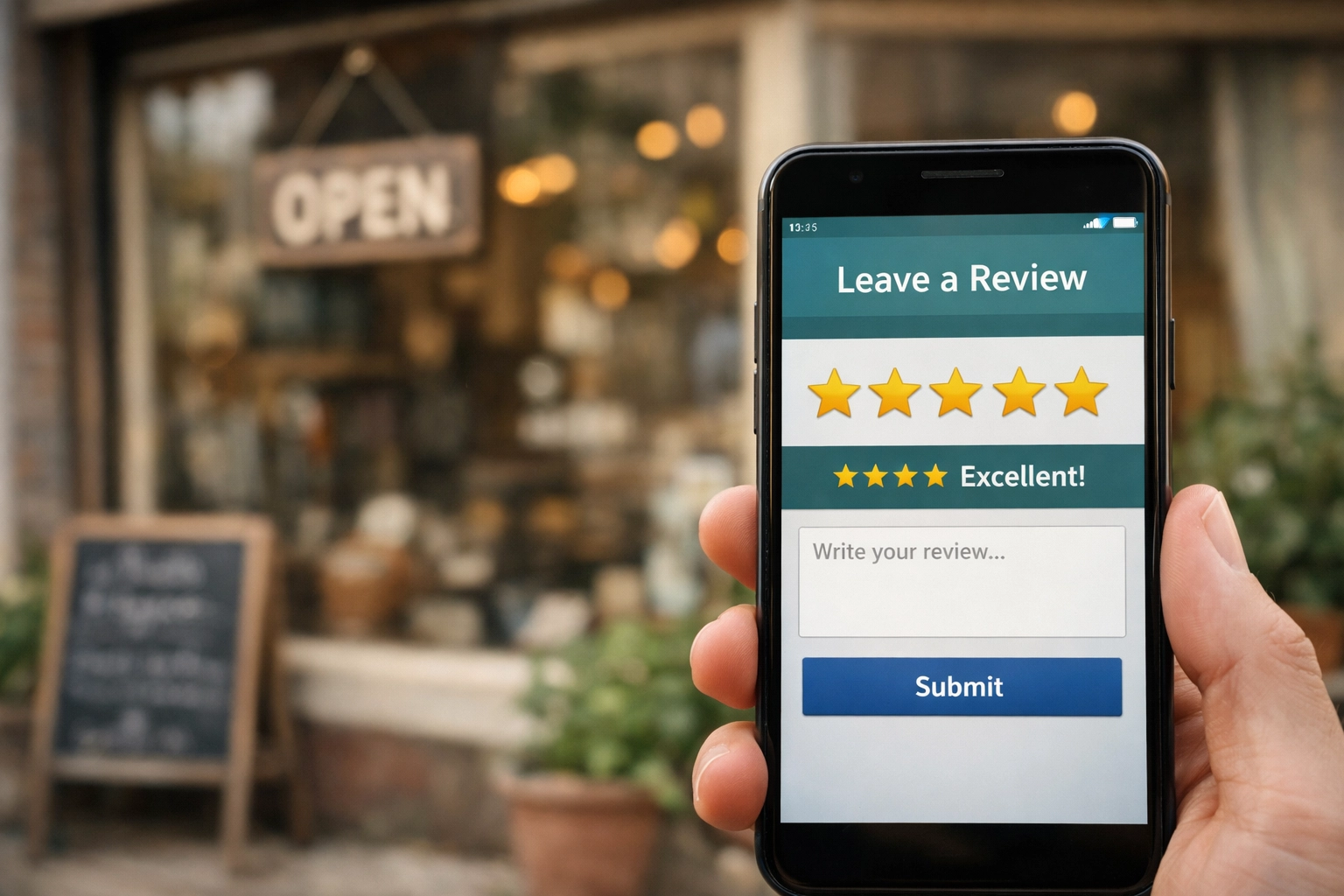
Recent, positive reviews are rocket fuel for Map Pack rankings. They hit multiple ranking factors at once: prominence, relevance (when customers mention keywords), and trust signals.
The businesses in the Map Pack almost always have more reviews than those below them. It's not a coincidence.
Ask for reviews systematically. Don't leave it to chance. After a successful transaction, send a follow-up email with a direct link to your Google review page. Train your team to ask satisfied customers in person.
Respond to every review: positive and negative. This shows Google (and customers) that you're engaged and care about feedback. It also gives you another opportunity to include relevant keywords naturally.
Never buy reviews. Google will catch you, and the penalty isn't worth it. Build them organically through great service and consistent requests.
Localized Content Builds Authority
Your website should scream "local business" to both humans and search engines. Generic corporate speak doesn't cut it.
Create blog content about local events, neighborhood news, or industry topics specific to your area. Write about "Best Coffee Shops in Downtown Portland" if you're a Portland café. Reference local landmarks, streets, and neighborhoods naturally in your content.
Build location-specific landing pages if you serve multiple areas. A plumber serving five different neighborhoods should have five different pages: each optimized for that specific location with unique content. No copy-paste jobs. Google sees through that immediately.
Include your city and neighborhood in title tags, meta descriptions, headers, and naturally throughout your content. Just don't be weird about it. "Best Brooklyn Pizza" works. "Best Brooklyn Pizza in Brooklyn for Brooklyn Residents" does not.
Schema Markup Makes Google's Job Easier
Schema markup is code that tells Google exactly what your content means. It's like adding subtitles for search engines.
LocalBusiness schema should include your business name, address, phone number, hours, service area, and anything else relevant to local searches. This structured data helps Google understand your business context without guessing.
Most website platforms have plugins that make adding schema relatively painless. WordPress users can use plugins like Yoast SEO or Schema Pro. If you're on a custom platform, hand-code it or hire someone who can.
Google's Rich Results Test tool lets you verify your schema is working correctly. Use it.
Mobile Optimization Isn't Optional
Over 60% of local searches happen on mobile devices. People searching for businesses nearby are usually on their phones, ready to take action immediately.
Your website needs to load fast on mobile. Compress images, minimize code, use a content delivery network: do whatever it takes to get load times under three seconds.
Add click-to-call buttons prominently. When someone finds you in the Map Pack on their phone, they should be able to call with one tap. Remove friction.
Make your contact information visible without scrolling. Mobile users don't want to hunt for your phone number or address. Put it front and center.
Embed a Google Map on your contact page. This reinforces your location to both users and search engines.
Start Small, Then Expand
If you're new to local SEO, don't try to dominate your entire city immediately. Focus on your specific neighborhood or a smaller geographic area first.
Ranking for "dentist in Chicago" is brutally competitive. Ranking for "dentist in Wicker Park" or "dentist in Lincoln Square" is far more achievable. Win the neighborhood, then expand outward.
Target long-tail, hyperlocal keywords in your content and GBP optimization. "Emergency plumber near Millennium Park" is easier than "Chicago plumber" and often converts better because the search intent is more specific.
Once you've established dominance in a smaller area, use that momentum to tackle broader markets. Success builds on success.
Track Your Progress
You can't improve what you don't measure. Monitor your Map Pack rankings for your target keywords regularly.
Tools like local rank tracking show your position in the Map Pack from different locations within your service area. This matters because rankings vary by searcher location.
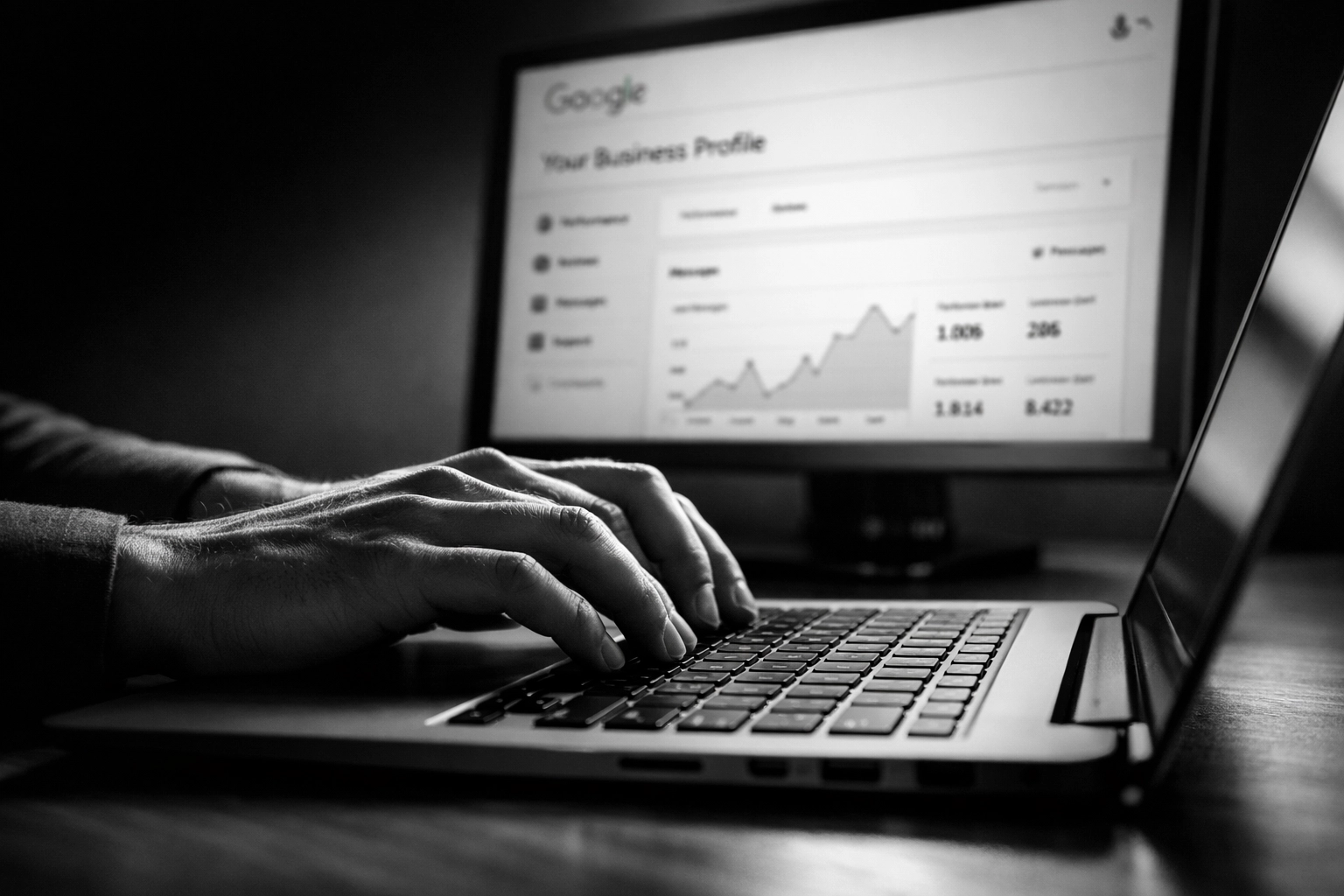
Watch your Google Business Profile Insights. Track views, clicks, direction requests, and phone calls. These metrics show whether your optimization efforts are working.
Set up Google Analytics goals for Map Pack traffic. Create a UTM parameter for your GBP website link so you can measure exactly how much business it drives.
The Reality Check
Climbing the Map Pack isn't a one-time project. It's ongoing maintenance. Your competitors are optimizing. New businesses are opening. Google's algorithm is evolving.
Consistency wins. Keep your GBP updated. Keep earning reviews. Keep creating local content. Keep building citations. Do this month after month, and you'll see results.
The businesses that dominate the Map Pack aren't necessarily the best at what they do. They're the best at telling Google (and customers) that they're the best. There's a difference.
Master relevance, distance, and prominence. Optimize your Google Business Profile like your business depends on it: because it does. Build reviews systematically. Create genuinely local content. Make everything mobile-friendly. Track your results.
Do these things, and that Map Pack spot is yours. Your competitors can fight over the organic results below.