
Your online reputation isn't just what people say about you at cocktail parties anymore. It's what shows up when someone Googles your business at 11 PM on a Tuesday while deciding whether to give you their money. And spoiler alert: 93% of consumers read online reviews before making a purchase decision. No pressure, right?
Here's the thing, your reputation is being shaped right now, whether you're paying attention or not. Someone's leaving a review. A customer is tweeting about their experience. A competitor might be doing… well, competitive things. The question isn't whether you should manage your online reputation. It's whether you want to be in the driver's seat or just along for the ride.
Let's talk about how to take control.
Set Up Your Reputation Radar
You can't manage what you don't monitor. The first step in reputation management is knowing what people are saying about you across the digital landscape. And no, checking your Google reviews once every few months doesn't count.
Start with Google Alerts. It's free, takes five minutes to set up, and will email you whenever your business name appears online. Set alerts for your business name, your name, common misspellings, and even your main competitors if you're feeling nosy.
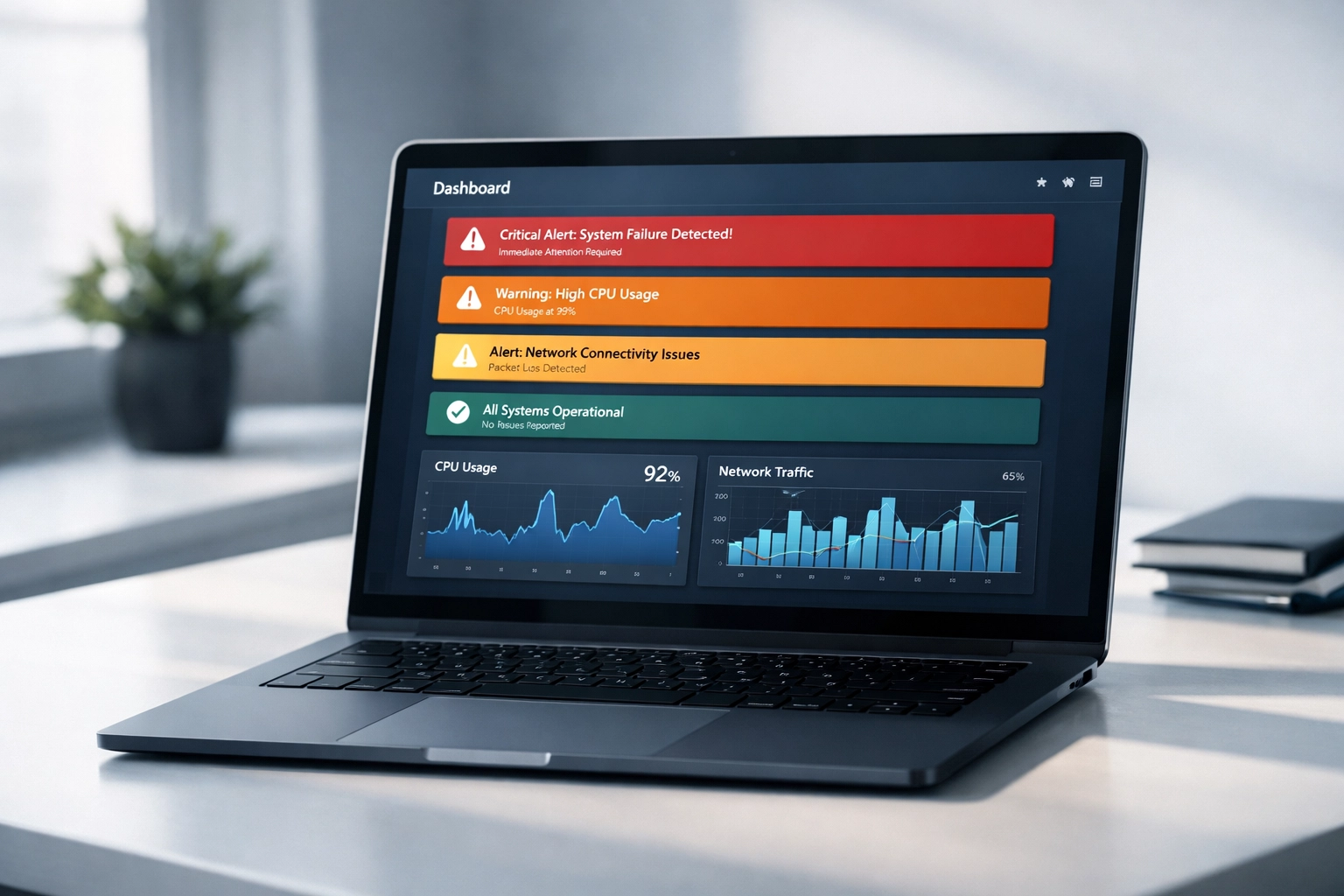
But don't stop there. Social listening tools like Hootsuite, Brandwatch, or Mention track conversations across social media platforms, forums, and review sites. These tools catch the stuff Google Alerts might miss, like that Facebook comment where someone tagged their friend instead of your business page.
The real magic? Automated monitoring reduces your tracking time by about 60% and helps you respond within hours instead of days. Speed matters when someone's venting online about a bad experience.
Pro tip: Schedule a weekly 15-minute "reputation check-in" on your calendar. Review your major platforms, Google, Yelp, Facebook, industry-specific sites, and see what's happening. Make it a routine, like checking your email or pretending to read those marketing newsletters you subscribed to.
The Art of Review Management
Reviews are the new word-of-mouth, except they're permanent, public, and potentially devastating. Or incredibly valuable. Depends on how you handle them.
The Positive Ones: These are gold. When someone leaves a glowing review, respond to it. Thank them. Be specific about what they mentioned. "Thanks for the kind words about our customer service, Jennifer! We're thrilled you had a great experience" beats "Thanks!" every single time.
Positive reviews also deserve to be earned strategically. Ask happy customers to leave reviews. Make it easy, send them a direct link. Time it right, catch them right after a successful interaction. The best time to ask for a review is when someone is already smiling about your service.
The Negative Ones: Deep breath. These sting, but they're also opportunities to show the world how you handle problems. And yes, potential customers are watching how you respond to criticism.

Respond quickly and professionally. Acknowledge the concern, apologize if appropriate, and offer a solution. Never get defensive. Never argue. And for the love of all things digital, never respond when you're angry.
Here's a framework: Acknowledge + Apologize + Action + Offline.
"We're sorry to hear about your experience, Tom. This isn't the standard we hold ourselves to. We'd love to make this right: could you email us at support@yourbusiness.com so we can resolve this directly?"
Notice what you're doing? You're showing empathy, taking ownership, and moving the conversation somewhere private where you can actually fix things.
Some negative reviews are fake or unreasonable. Respond professionally anyway. Other people reading it can tell when someone's being ridiculous: and they can definitely tell when a business owner is being defensive.
Engage Like a Human, Not a Robot
Reputation management isn't just damage control. It's relationship building. When people comment on your social posts, respond. When they ask questions, answer. When they share their experiences, engage with them.
Use a consolidated dashboard to manage responses across platforms efficiently. Tools like Hootsuite or Buffer let you see everything in one place so you're not logging in and out of seventeen different accounts all day.
Personalize your responses. Show empathy. A little personality goes a long way. "We appreciate your feedback!" is fine. "Thanks for this, Mike: you've given us some real food for thought, and we're looking at how we can improve this" is better.
Active engagement builds trust. It shows there are real humans behind your business who actually care about customer experience. Revolutionary concept, right?
Keep Your Profiles Tight
Nothing screams "unprofessional" like inconsistent business information across platforms. Your business name, address, and phone number (the holy NAP trinity) should be identical everywhere: Google, Yelp, Facebook, your website, everywhere.

Why? Because inconsistency confuses customers and tanks your search rankings. Google gets suspicious when your address is "123 Main St" on one platform and "123 Main Street" on another. Is this the same business? Are you trying to game the system? Google doesn't like confusion.
Create detailed, keyword-rich business descriptions. Don't just say "We're a plumbing company." Say "We're a licensed plumbing company in downtown Chicago specializing in emergency repairs, bathroom renovations, and commercial plumbing services."
Upload high-quality photos. Update your hours. Fill out every section of your profile. The more complete and professional your profiles look, the more trustworthy you appear.
Build Your Crisis Playbook
Hope for the best, plan for the worst. Every business should have a crisis management plan for when things go sideways online.
What constitutes a crisis? A viral negative review. A customer service disaster caught on video. A product failure that's trending on Twitter. You'll know it when you see it.
Your crisis plan should include:
- Who responds (designate a point person)
- Response templates for common scenarios
- Escalation procedures for serious issues
- Contact information for your team, lawyer, and PR support if needed
Regular reputation audits help you spot problems before they become crises. Check for impersonator accounts. Monitor competitor sentiment to understand your market position. Review your overall online presence quarterly.
Automation helps. Set up weekly review response campaigns. Create monthly reputation scorecards. Build systems so you're staying ahead of issues instead of constantly playing catch-up.
Track, Measure, Improve
You can't improve what you don't measure. Use analytics to understand your reputation landscape and track your progress.
Monitor your review scores across platforms. Track your response times. Watch your search engine results: what shows up when people Google your business? Use sentiment analysis tools to evaluate whether conversations about your brand are positive, negative, or neutral.
Conduct mini-audits regularly. Google yourself. Check your review profiles. See what's ranking. Adjust your strategy based on what you find.
The data tells you what's working and what needs attention. Maybe your Google reviews are stellar but your Yelp presence is suffering. Maybe your response time on social media is too slow. The numbers highlight where to focus your energy.
The Bottom Line
Your online reputation isn't something that happens to you: it's something you build, protect, and leverage. Every review response, every social media interaction, every piece of content you publish contributes to how the world sees your business.
Start small. Set up monitoring. Respond to reviews. Keep your information consistent. Build from there.
The businesses winning the reputation game aren't necessarily perfect: they're just present, responsive, and genuinely invested in customer experience. Be that business.
Need help building a reputation management system that actually works? Explore our resources for more strategies to boost your online presence and protect what you've built.
Because in 2026, your reputation is your business. Guard it accordingly.