Most gyms lose members before they even walk through the door. The problem starts online. Your facility may have top equipment and experienced trainers. But potential members search for "gym near me" and find your competitors instead.
Local SEO determines which fitness centers show up in search results. It controls your visibility when people look for workout options in your area. The gyms that rank higher get more website visits, phone calls, and membership sign-ups.
Google Business Profile: Your Digital Storefront
Your Google Business Profile is the first thing people see when they search for gyms in your city. This listing appears in map results and local searches. It shows your location, hours, photos, and reviews.
Complete your profile with accurate business information. Add high-quality photos of your facility, equipment, and classes. Update your profile regularly with posts about promotions, events, and new offerings.
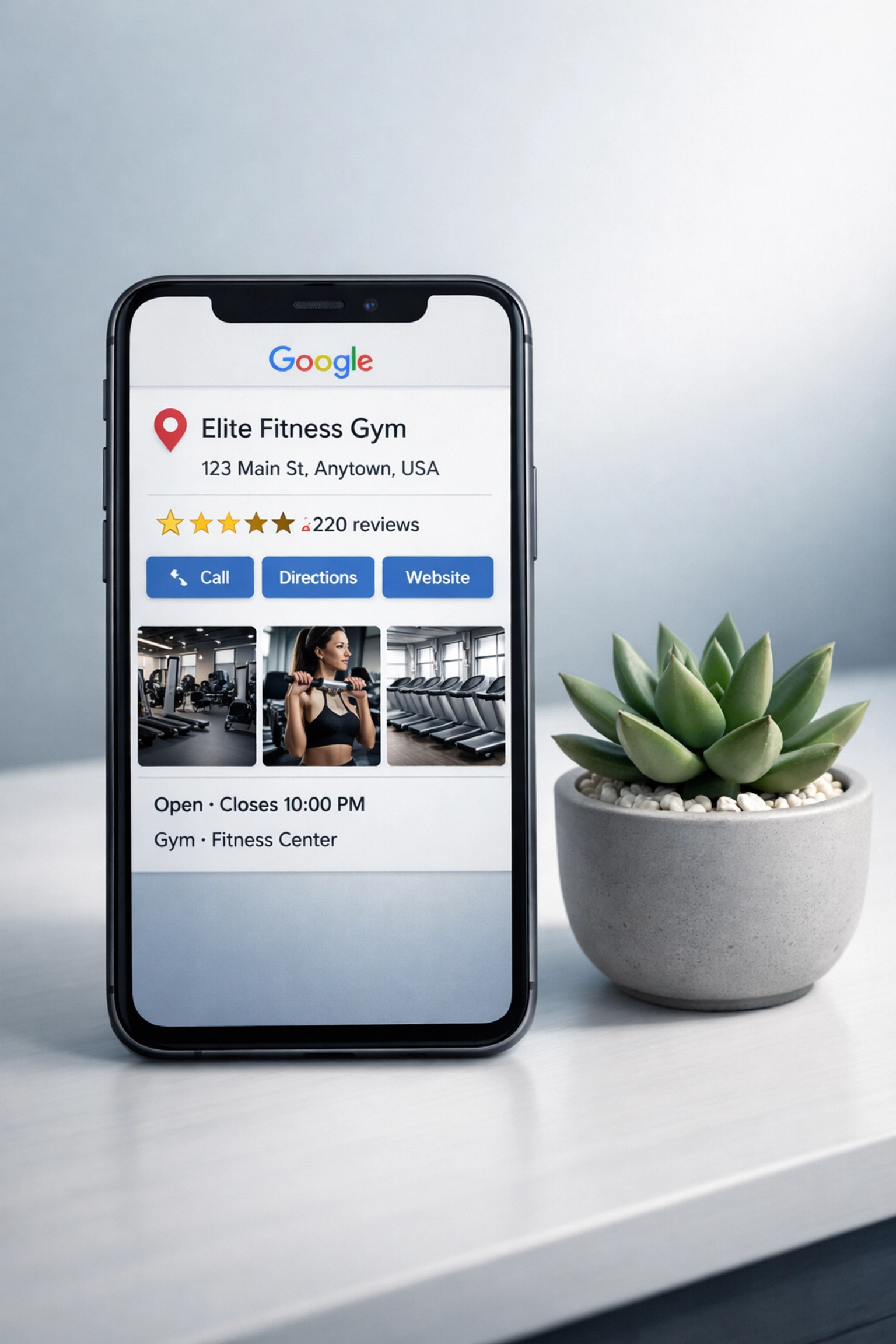
Select the correct business categories. Choose "Gym" as your primary category. Add secondary categories like "Personal Trainer," "Yoga Studio," or "Fitness Center" based on your services. These categories help Google understand your business and show it for relevant searches.
Verify your operating hours are current. Include special hours for holidays. Add attributes that describe your facility such as wheelchair accessibility, parking availability, and amenities like showers or childcare.
Location-Based Keywords Drive Local Traffic
Location-specific keywords connect your gym to searchers in your area. These phrases combine your services with geographic terms. Examples include "CrossFit gym in downtown Austin" or "24-hour fitness center near Phoenix."
Place location keywords throughout your website. Add them to page titles, headings, and body content. Include them in your homepage, service pages, and blog posts. Use natural language that matches how people actually search.
Create dedicated landing pages for each location if you operate multiple facilities. Each page needs unique content about that specific branch. Include the address, phone number, local staff information, and services available at that location.
Target neighborhood-specific terms. People often search using local landmarks or neighborhood names. Optimize for phrases like "gym near University District" or "fitness center by Central Park."
Website Performance Affects Rankings and Conversions
Page speed impacts both search rankings and user experience. Slow websites lose visitors before they load. Google prioritizes fast sites in search results.
Test your site speed using Google PageSpeed Insights. This tool identifies issues that slow down your pages. Common problems include large image files, excessive plugins, and outdated code.

Compress images before uploading them to your website. Large photo files significantly increase load times. Use image compression tools to reduce file sizes without losing quality.
Enable browser caching. This stores website elements on visitors' devices so pages load faster on repeat visits. Implement a content delivery network (CDN) to serve your site from servers closer to each visitor's location.
Mobile optimization is required. Most gym searches happen on smartphones. Your website must function properly on all screen sizes. Use responsive design that automatically adjusts to different devices.
Content Strategy for Authority Building
Regular blog content establishes your gym as an industry resource. Write posts that answer common fitness questions. Cover topics like workout techniques, nutrition basics, and training programs.
Focus on problems your target members face. Create guides for beginners starting their fitness journey. Explain how to achieve specific goals like weight loss or muscle building. Share success stories from current members.
Include video content when possible. Workout demonstrations, facility tours, and trainer introductions engage visitors better than text alone. Videos also appear in search results and increase time spent on your site.
Update content regularly. Fresh content signals to search engines that your site is active and relevant. Publish new blog posts, update service descriptions, and add recent photos to maintain current information.
Review Generation Builds Local Rankings
Online reviews directly impact local search rankings. Google uses review quantity and quality as ranking factors. More positive reviews improve your position in map pack results.
Implement a system to request reviews from satisfied members. Send follow-up emails after someone joins your gym. Include direct links to your Google Business Profile review page. Make the process simple with minimal steps.
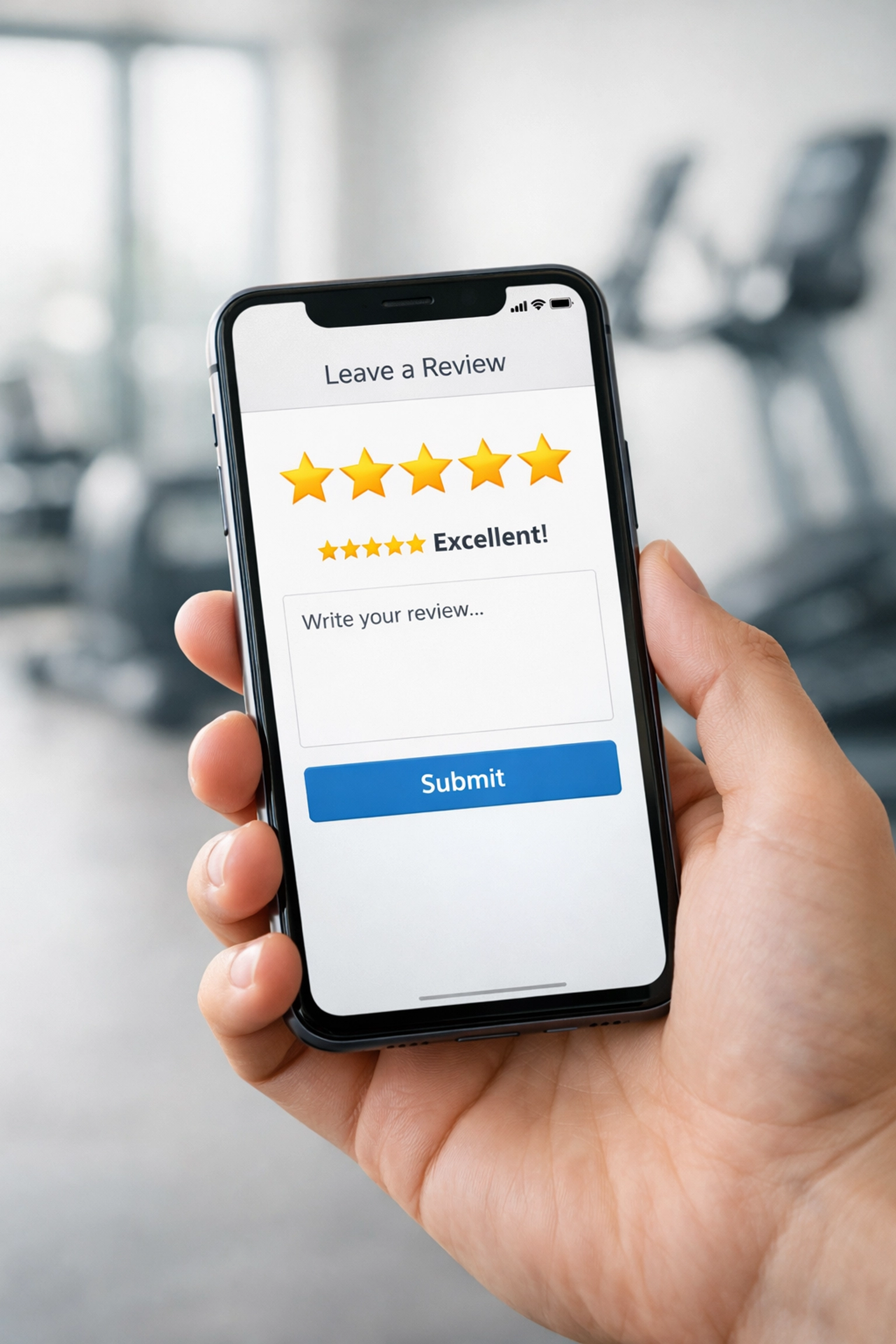
Respond to all reviews, both positive and negative. Thank members who leave positive feedback. Address concerns in negative reviews professionally. Your responses show potential members how you handle customer service.
Never purchase fake reviews or offer incentives for positive reviews. These practices violate Google's guidelines and can result in penalties. Focus on earning legitimate reviews through excellent service.
Local Link Building Increases Domain Authority
Backlinks from other websites signal authority to search engines. Local links from community organizations carry particular weight for local SEO. They demonstrate your gym's connection to the area.
Partner with local businesses for cross-promotion opportunities. Connect with nutritionists, physical therapists, or sports medicine clinics. These partnerships can generate relevant backlinks and referral traffic.
Sponsor community events or sports teams. These sponsorships often include website links from event pages and team sites. They also increase brand visibility in your local market.
Get listed in local business directories. Chamber of commerce websites, local fitness directories, and community resource pages provide valuable local citations. Ensure your NAP (Name, Address, Phone) information is consistent across all listings.
Schema Markup Helps Search Engines Understand Your Business
Schema markup is code that provides structured data to search engines. It helps Google understand specific details about your gym. This can improve how your business appears in search results.
Implement LocalBusiness schema on your website. Include your business name, address, phone number, hours of operation, and price range. Add GeoCoordinates to specify your exact location.
Use Organization schema to define your business structure. Include your logo, social media profiles, and founding date. This information may appear in knowledge panels and rich search results.
Add schema for specific offerings like fitness classes or personal training services. This structured data helps your services appear in relevant searches.
Track Performance with Local Rank Monitoring
Measure your SEO results to understand what works. Track your rankings for target keywords in your local area. Monitor changes over time to gauge the effectiveness of your optimization efforts.
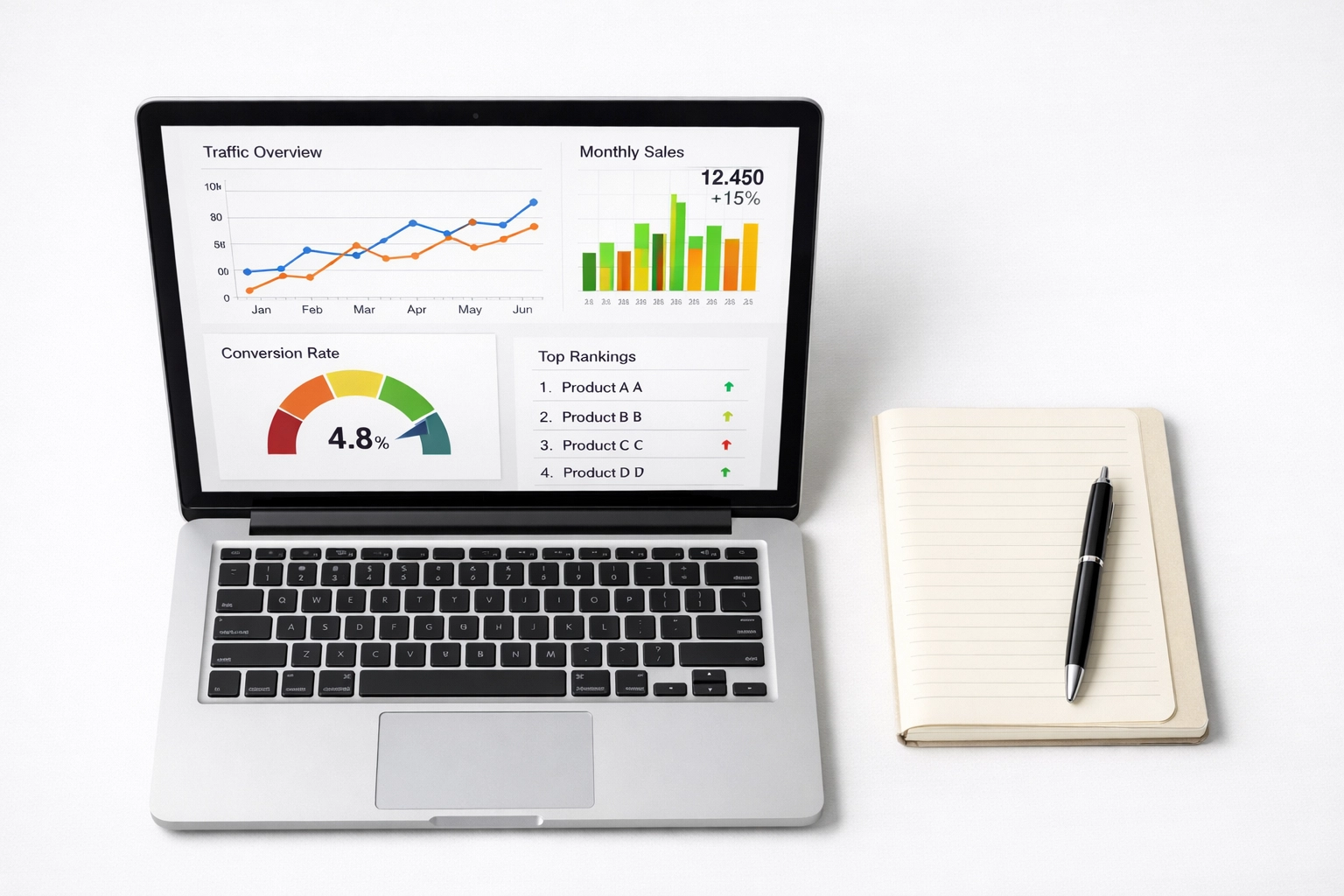
Use rank tracking tools that check positions from specific geographic locations. Local rankings vary by neighborhood and city. Standard rank checkers may not reflect what searchers in your area actually see.
Monitor Google Business Profile insights. These analytics show how people find your listing, what actions they take, and how many calls or direction requests you receive. This data reveals the direct impact of your local SEO work.
Track website metrics including organic traffic, bounce rate, and conversion rate. Connect Google Analytics to see which pages drive the most engagement. Identify which keywords bring visitors who convert into members.
Mobile-First Indexing Requires Mobile Optimization
Google primarily uses mobile versions of websites for indexing and ranking. Your mobile site performance directly affects your search visibility. A poor mobile experience hurts rankings even if your desktop site is excellent.
Test your site on multiple devices and screen sizes. Ensure buttons are large enough to tap easily. Make forms simple to complete on smartphones. Check that text is readable without zooming.
Eliminate pop-ups that block content on mobile devices. Google penalizes sites with intrusive interstitials. If you must use pop-ups, ensure they are easy to dismiss and don't cover the main content.
Use click-to-call buttons for phone numbers. This functionality allows mobile users to contact your gym with a single tap. Include your phone number prominently on every page.
Voice Search Optimization for Conversational Queries
Voice search usage continues to increase. People ask questions differently when speaking compared to typing. Optimize your content for natural language queries.
Target question-based keywords. Include phrases that start with "where," "how," "what," and "when." Answer these questions clearly in your content. Structure responses in a direct, conversational format.
Create FAQ pages that address common questions about your gym. Use the actual questions people ask as headings. Provide concise answers that voice assistants can easily read.
Partner with Business Boosted for Complete Local SEO
Implementing these strategies requires time and technical expertise. Business Boosted provides complete local SEO solutions for fitness centers. Our services include Google Business Profile optimization, local rank tracking, review generation systems, and website performance improvements.
We focus on driving measurable results for gyms and fitness studios. Our approach combines technical SEO with conversion optimization to increase both visibility and membership sign-ups.
Local SEO builds sustainable growth for fitness businesses. The gyms that invest in these strategies consistently outperform competitors in local search results. Start optimizing your local presence to capture more of your market.
Category: Industry-Specific Marketing
Excerpt: Learn how gyms and fitness studios can dominate local search results with targeted SEO strategies that convert searchers into paying members.