
Ready to dominate your entire region? Learn how mid-sized businesses can scale their local SEO and reputation strategies to capture more market share quickly.
Mid-sized businesses face unique challenges when expanding their local presence. You have outgrown basic operations but need structure to scale effectively. This playbook provides strategies to move from regional player to market leader.
Document Your Operations
Create a business playbook that captures current processes. Include ordering procedures, invoicing workflows, client registration steps, and inventory management protocols. Document everything that makes your business function.

Use video recordings and voice notes to make documentation accessible for new team members. Standard operating procedures enable consistent service delivery across multiple locations. Without documentation, quality degrades as you expand.
Automate repetitive tasks through software solutions. Inventory systems can generate purchase orders automatically. CRM platforms trigger customer communications based on specific actions. Automation reduces manual errors and frees staff time for revenue-generating activities.
Define Your Target Customer
Analyze your top 20% of customers to identify common characteristics. Note demographics, purchasing patterns, and service preferences. Understanding your ideal customer shapes marketing strategy, location selection, and product offerings.
Document your sales process from initial contact through conversion. Map each step and identify friction points where prospects drop off. Small improvements in conversion rates compound over time. Make purchasing easy by removing unnecessary steps.
Select Locations Strategically
Location choice determines expansion success. Businesses with poor site selection often experience revenue decline in year one. Research the local customer base before committing to a new location.

Observe foot traffic patterns at different times of day. Identify gaps in the local market that your business can fill. When acquiring existing locations, request sales reports for the past two years. Determine whether underperformance stems from fixable issues or fundamental market problems.
Develop a financial roadmap that includes lease costs, initial inventory, staffing requirements, marketing budget, licenses, and operating expenses. Conduct break-even analysis to understand how long until profitability. Consult financial advisors before signing commitments.
Build Your Digital Presence
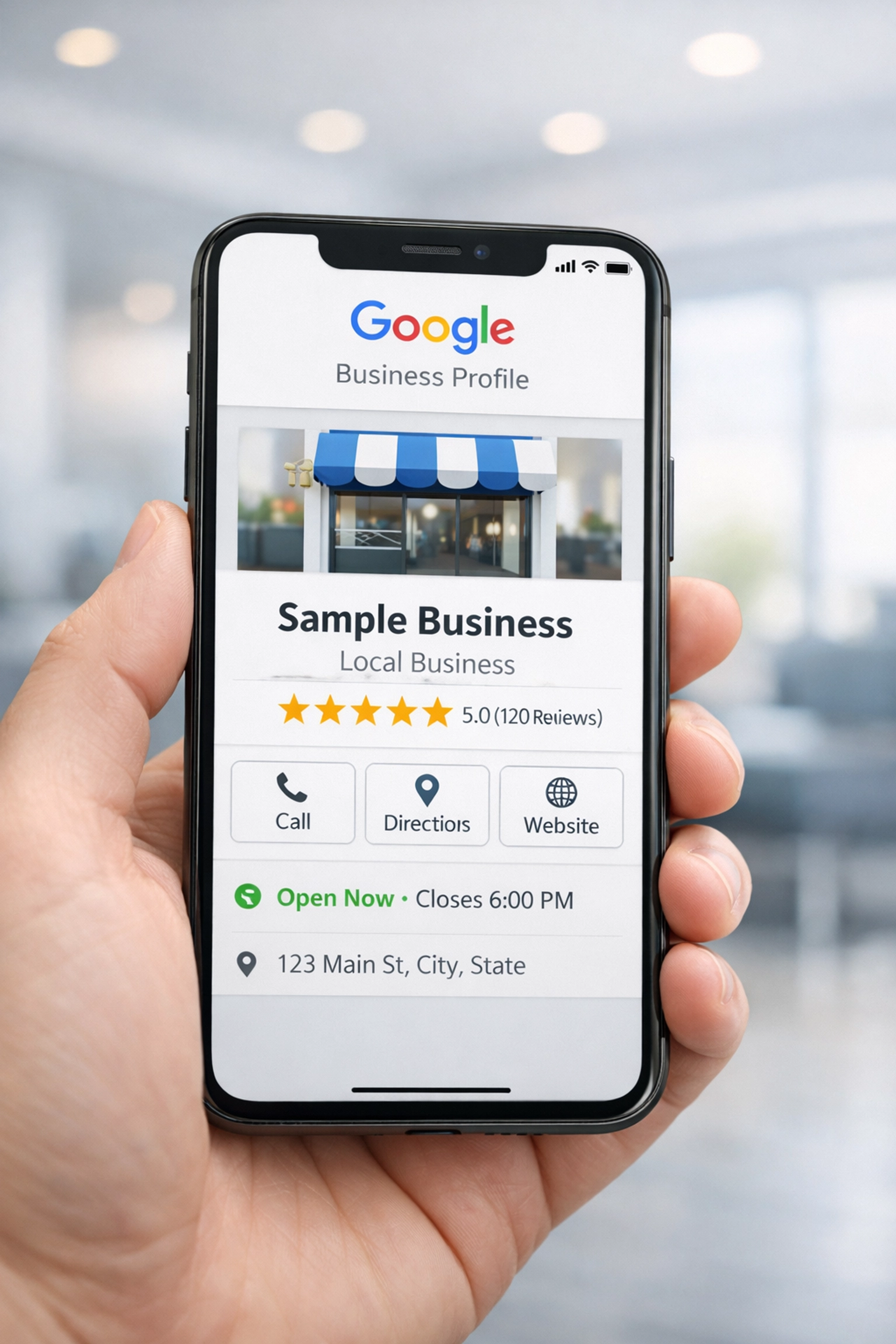
Optimize your Google Business Profile for each location. This listing appears when customers search for services in your area. Complete all profile sections and update business hours, contact information, and services offered.
Establish social media presence on platforms where your customers spend time. Post regularly about promotions, new offerings, and local community involvement. Use geo-targeted advertising to drive foot traffic to specific locations.
Implement online ordering if applicable to your business model. Customers expect digital convenience. Integrate systems across all locations so customers have consistent experiences regardless of which location they visit.
Implement Customer Loyalty Programs
Create a loyalty program that connects all business locations. Customers earn and redeem points seamlessly across your network. This drives repeat visits and provides data about purchasing behavior.
Use customer data to create targeted promotions. Send personalized offers based on past purchases. Reward milestone visits with surprise bonuses. Provide exclusive deals for loyal customers. Quick responses to customer feedback demonstrate that you value their business.
Track customer retention rate as a key performance metric. Low retention indicates problems with service quality or customer experience. Address issues immediately to prevent revenue loss.
Establish Performance Metrics
Track baseline metrics before implementing changes. This enables you to measure impact accurately.
Monitor customer retention rate. Retention directly affects profitability. Acquiring new customers costs more than keeping existing ones.
Analyze cost of goods sold to maintain margins. Rising COGS without corresponding price increases erodes profitability. Regular monitoring allows you to adjust purchasing or pricing strategies.
Review inventory data to identify slow-moving products. Plan promotions to move stagnant inventory or discontinue items that do not sell. Capital tied up in unsold inventory cannot fund growth.
Set specific, measurable goals with clear timelines. Document goals in your operations playbook. Assign responsibility for each metric to specific team members. Regular review sessions ensure accountability.
Create Strategic Partnerships
Partner with businesses that serve similar customers but do not compete directly. A coffee shop might partner with a bakery. A fitness studio might partner with a nutrition consultant. These relationships expand reach without direct competition.
Develop formal partnership agreements that outline mutual benefits. Cross-promote through each other's marketing channels. Bundle services to create unique offerings. Track results to determine which partnerships generate revenue.
Local business associations provide networking opportunities. Active participation builds community relationships that lead to referrals. Community involvement also enhances brand reputation.
Manage Cash Flow for Growth
Speed up invoicing to improve cash flow. Consider shortening payment terms or offering discounts for immediate payment. Faster collections provide capital for growth initiatives.
Secure lines of credit before you need them. Lenders provide better terms when your business performs well. Having credit available enables you to act quickly on growth opportunities or handle unexpected expenses.
Review expenses regularly to identify cost reduction opportunities. Negotiate with suppliers for volume discounts as your business grows. Small percentage improvements in margins create significant profit increases at scale.

Maintain Service Quality During Growth
Growth creates operational stress. Maintain service quality by hiring ahead of expansion. Train new staff thoroughly before opening additional locations. Rushed hiring leads to poor customer experiences that damage reputation.
Visit each location regularly to observe operations firsthand. Customer-facing staff represent your brand. Ensure consistency in service delivery across all locations. Address problems immediately before they become systemic.
Collect customer feedback through multiple channels. Review sites, direct surveys, and social media all provide insights. Respond to negative feedback quickly and professionally. Use feedback to improve operations continuously.
Scale Systematically
Expansion requires systematic planning and execution. Document processes, understand your customers, select locations carefully, build digital presence, implement loyalty programs, track metrics, create partnerships, and manage cash flow. These elements work together to support sustainable growth.
Mid-sized businesses that follow this playbook position themselves for market leadership. Each component builds on the others to create competitive advantages. Implementation takes time and resources, but the results justify the investment.