
Digital marketing continues to change. February 2026 brings several shifts in how businesses reach customers online. This article covers current trends and updates.
AI-Driven Personalization at Scale
AI tools now create personalized content for individual users. Brands use ChatGPT and Claude to generate custom landing pages, emails, and product descriptions. This approach increases relevance for each visitor.
Research shows 73% of customers expect brands to understand their specific needs. Generic content no longer performs well. Dynamic personalization has become standard practice.

Predictive analytics platforms help marketers anticipate customer behavior. HubSpot and Klaviyo users report average conversion rate increases of 20%. These tools analyze past interactions to predict future actions.
Conversational Search Replaces Traditional SEO
Search behavior has shifted from keyword queries to conversational questions. Users receive direct answers from Google AI and Bing Copilot without clicking through to websites.
This change creates challenges for website traffic. Zero-click results provide information directly on search pages. Marketers must optimize for these answer boxes using schema markup and concise content.
Traditional keyword optimization alone is insufficient. Content must answer specific questions clearly. The first few sentences of articles now determine visibility in AI-generated responses.
Short-Form Video Dominance
Video content drives discovery and conversions across platforms. TikTok, Instagram Reels, and YouTube Shorts remain primary channels for brand awareness.
Data indicates 89% of consumers purchase products after watching brand videos. Vertical video format is standard. Production quality matters less than authenticity and message clarity.
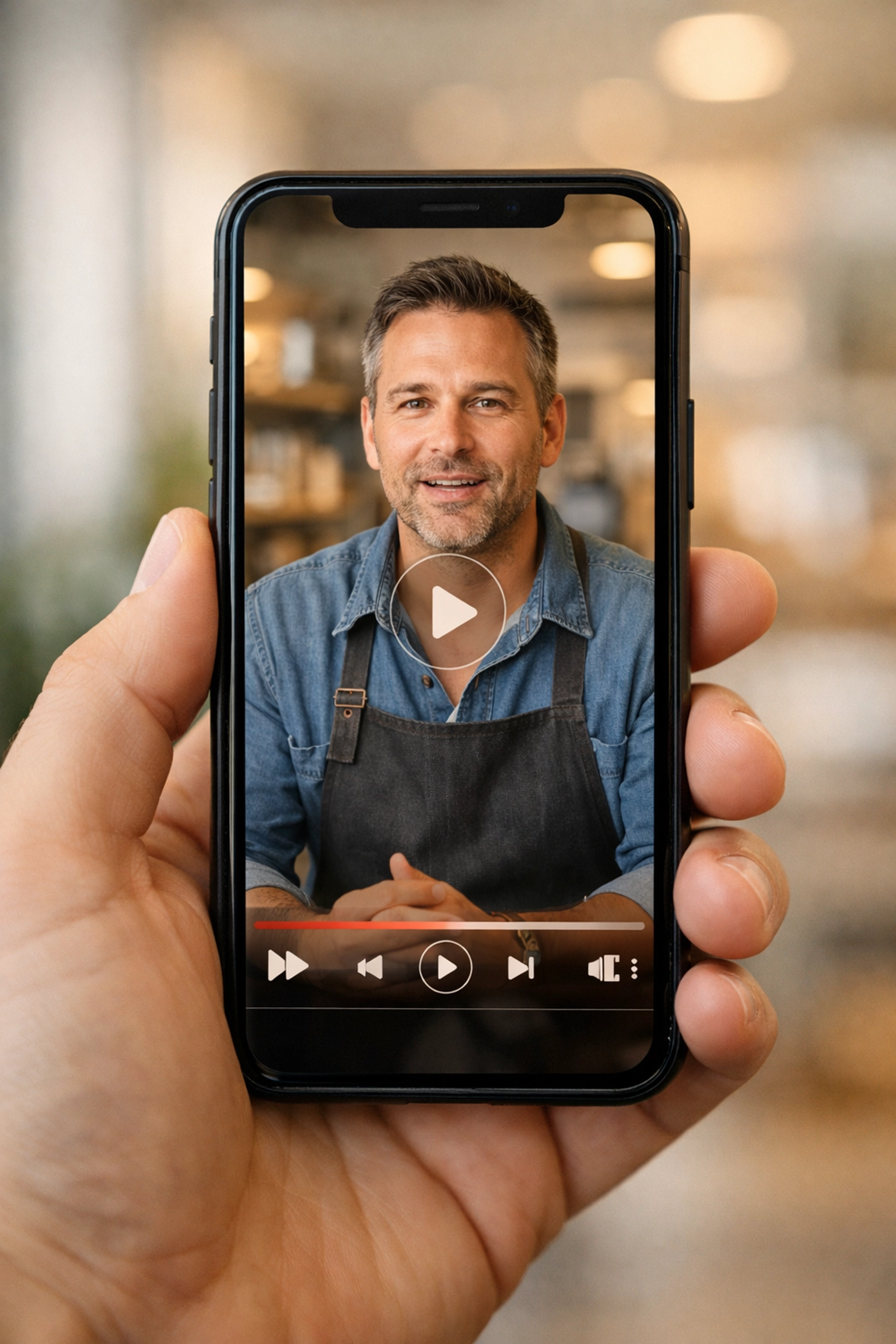
Brands allocate more budget to video production. Short-form content performs better than long-form for most audiences. Videos under 60 seconds generate the highest engagement rates.
The Authenticity Requirement
AI-generated content is common. This makes human authenticity more valuable. Consumers distinguish between automated and genuine content.
Real customer testimonials outperform scripted endorsements. User-generated content builds trust. Brands feature actual customers in marketing materials.
Micro and nano-influencers deliver better ROI than celebrity partnerships. Their audiences are smaller but more engaged. Niche relevance produces higher conversion rates than broad reach.
Employee advocacy programs extend brand reach. Team members share company content through personal networks. This approach adds credibility to marketing messages.
Hyperlocal Targeting Strategies
Geographic personalization increases engagement significantly. Campaigns tailored to specific regions show up to 45% higher engagement rates.

Businesses customize messaging based on local preferences and cultural context. Location data enables precise audience targeting. Regional campaigns outperform national generic approaches.
Programmatic native advertising now accounts for 80% of programmatic ad spend. These ads blend with platform content. They generate 5-10x higher engagement than traditional display ads.
Social Platforms as Research Tools
Social media functions as a discovery and research engine. Users search for product information and recommendations on Instagram and TikTok before visiting brand websites.
Google now indexes public Instagram content. Short-form videos appear in search results. This integration makes social content part of broader SEO strategy.
Visual and voice search options expand discovery methods. Users search with images or spoken queries. Brands optimize content for multiple search formats.
Social platforms provide first-party data collection opportunities. Direct customer interactions offer insights into preferences and behavior. This data becomes more valuable as third-party cookies phase out.
First-Party Data Strategies
Privacy regulations limit third-party data access. Brands build direct relationships with customers to collect first-party data.
Email list growth remains a priority. Newsletter signups provide direct communication channels. Owned audience data enables personalization without privacy concerns.
Customer data platforms consolidate information from multiple touchpoints. This unified view improves targeting accuracy. Businesses control their data collection and usage.
Organizational Changes in Marketing
Marketing roles continue to evolve. Specialists become more valuable than generalists. Deep expertise in specific channels or tactics is in demand.
Marketers take on product manager responsibilities. They influence product development based on customer insights. The line between marketing and product teams blurs.
Design taste emerges as an essential marketing skill. Visual presentation affects content performance. Marketers with aesthetic judgment create more effective campaigns.
Implementation Recommendations
Business Boosted helps companies adapt to these trends. Our local rank tracking services monitor visibility across changing search landscapes.
Start with AI personalization for email campaigns. Segment audiences based on behavior and preferences. Test dynamic content variations to find what resonates.
Invest in short-form video production. Create a content calendar for consistent posting. Focus on educational and entertaining content over promotional messages.
Optimize for conversational search queries. Structure content to answer specific questions. Use clear headings and concise paragraphs.
Build first-party data collection systems. Offer value in exchange for customer information. Respect privacy preferences and provide transparency.

Partner with local micro-influencers in your market. Look for authentic voices that align with brand values. Small audiences with high engagement deliver better results.
Monitor social platforms as search engines. Optimize Instagram and TikTok profiles for discovery. Use relevant hashtags and location tags consistently.
Measurement and Adaptation
Track metrics beyond vanity numbers. Focus on conversion rates and revenue attribution. Understand which channels drive actual business results.
Test new platforms and tactics in controlled experiments. Allocate small budget portions to emerging opportunities. Scale what works and discontinue what doesn't.
Stay informed about platform updates and algorithm changes. Digital marketing shifts constantly. Regular adaptation maintains competitive advantage.
February 2026 marks a period of significant change in digital marketing. AI capabilities expand while authenticity becomes more valuable. Conversational search and video content reshape how customers discover brands.
Success requires balancing automation with human connection. Technology enables personalization at scale. Human creativity and authenticity differentiate brands in crowded markets.
Visit our blog for ongoing marketing updates and insights.